Link offline
Lessons about JS (page 2)
The links, tools and tips our engineers and designers share with each other, one “today I learned” at a time.
- lessons shared
- 67
- people sharing
- 16
- database started in
- 2017








- Link offline
Tech Insights· blogs.mihirbagchi.com
The saga of Arrow functions with callback functions:
Shared by
The original link on blogs.mihirbagchi.com is no longer available.
Look for it on the Wayback Machine- JS
- Link offlineLink offline
Tech Insights· synopsys.com
NPM dependencies, supply chain attacks, and Bitcoin wallets:
Shared by
The original link on synopsys.com is no longer available.
Look for it on the Wayback Machine- Crypto
- JS

Tech Insights
Beware of : PerformanceTiming.domInteractive
Shared by
- JS
- Optimization
- Performance
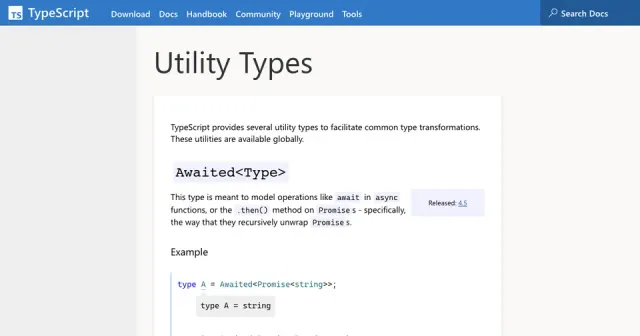
Tech Insights· typescriptlang.org
Pick: Constructs a type by picking the set of properties
Shared by
Read on typescriptlang.org- JS
- TypeScript

github.blog
GitHub’s commitment to npm ecosystem security
We're sharing details of recent incidents on the npm registry, our investigations, and how we’re continuing to invest in the security of npm.
Victor Ferraz
Tech Insights· github.blog
GitHub’s commitment to npm ecosystem security
From github.blog
We're sharing details of recent incidents on the npm registry, our investigations, and how we’re continuing to invest in the security of npm.
Shared by
Read on github.blog- JS

pluralsight.com
How to Use Forked NPM Dependencies in React:
While you wait for a pull request to get merged, you can use the code within your fork right away simply by altering your package.json file.
Rebeca Sarai
Tech Insights· pluralsight.com
How to Use Forked NPM Dependencies in React:
From pluralsight.com
While you wait for a pull request to get merged, you can use the code within your fork right away simply by altering your package.json file.
Shared by
Read on pluralsight.com- JS
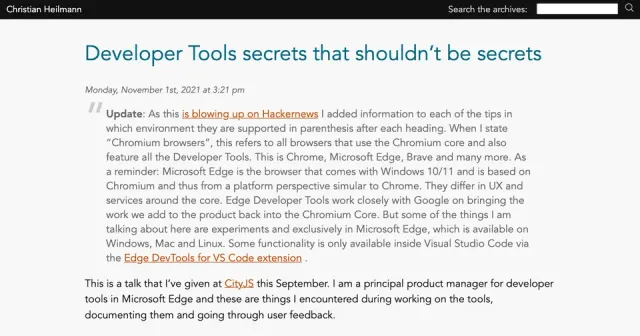
Tech Insights· christianheilmann.com
Developer Tools secrets that shouldn’t be secrets
Shared by
Read on christianheilmann.com- Debugging
- JS
Tech Insights· stackoverflow.com
How to mock functions in the same module using jest:
Shared by
Read on stackoverflow.com- JS
- Tests
cstrnt.dev
3 TypeScript Tricks I wish I knew when I learned TypeScript:
TypeScript is a big Superset of JavaScript which has many features which might not be shown in every beginner tutorial. This post has three of them to make your life easier learning TypeScript.
Rebeca Sarai
Tech Insights· cstrnt.dev
3 TypeScript Tricks I wish I knew when I learned TypeScript:
From cstrnt.dev
TypeScript is a big Superset of JavaScript which has many features which might not be shown in every beginner tutorial. This post has three of them to make your life easier learning TypeScript.
Shared by
Read on cstrnt.dev- JS
- TypeScript
fettblog.eu
Prefer type aliases over interfaces:
This is the second article in a series of articles where I want to highlight ways on how to keep your TypeScript code neat and tidy. By nature, this series is heavily opinionated and is to be taken with grains of salt (that’s plural).
Rebeca Sarai
Tech Insights· fettblog.eu
Prefer type aliases over interfaces:
From fettblog.eu
This is the second article in a series of articles where I want to highlight ways on how to keep your TypeScript code neat and tidy. By nature, this series is heavily opinionated and is to be taken with grains of salt (that’s plural).
Shared by
Read on fettblog.eu- JS
- TypeScript

developer.mozilla.org
Pros and Cons of using e.stopPropagation
The stopPropagation() method of the Event interface prevents further propagation of the current event in the capturing and bubbling phases. It does not, however, prevent any default behaviors from occurring; for instance, clicks on links are still processed. If you want to stop those behaviors, see the preventDefault() method. It also does not prevent propagation to other event-handlers of the current element. If you want to stop those, see stopImmediatePropagation().
Rebeca Sarai
Tech Insights· developer.mozilla.org
Pros and Cons of using e.stopPropagation
From developer.mozilla.org
The stopPropagation() method of the Event interface prevents further propagation of the current event in the capturing and bubbling phases. It does not, however, prevent any default behaviors from occurring; for instance, clicks on links are still processed. If you want to stop those behaviors, see the preventDefault() method. It also does not prevent propagation to other event-handlers of the current element. If you want to stop those, see stopImmediatePropagation().
Shared by
Read on developer.mozilla.org- JS

robinvdvleuten.nl
Scrolling to a React component
React refs let you reach DOM APIs when you need them. Here is how to use a ref to scroll an element or component into view.
Renato Vieira
Tech Insights· robinvdvleuten.nl
Scrolling to a React component
From robinvdvleuten.nl
React refs let you reach DOM APIs when you need them. Here is how to use a ref to scroll an element or component into view.
Shared by
Read on robinvdvleuten.nl- JS
- React
Tech Insights· github.com
When writing tests with RTL you can use
()to debug your test. This will return a URL on your terminal once you run the test, and with it you can access the page rendered by the testShared by
Read on github.com- JS
- React
- Rtl
Tech Insights· stackoverflow.com
Does React batch state update functions when using hooks?
Shared by
Read on stackoverflow.com- Hooks
- JS
- React
Book a call
Found it useful?
Let’s put it to work.
Tell us about your product and the problem in front of you. We’ll bring what we’ve learned on real projects.
Tell us about your product, and we’ll bring what we’ve learned.
Still prefer the good old email? Contact us