Turn assumptions into
a build‑ready plan. Three weeks to a
build‑ready plan.
In three weeks, define your next release with a prioritized scope, coded UI in Storybook, and a technical assessment. Get a roadmap with rough estimates to plan the build.
A prioritized scope, coded UI, and a technical assessment before you build.
The risk
Don’t let untested assumptions
derail your product.
Unclear user needs, hidden dependencies, and competing priorities can push the build off course. Discovery gives your team a shared scope and surfaces risks before development starts.
- Vision alignment and user journey mapping.
Building for the wrong problem
A feature can sound convincing before anyone maps the problem it needs to solve. We connect the first release to user needs and business goals.
- Technical feasibility and risk assessment.
Underestimating technical complexity
Data constraints and third-party dependencies can change the effort behind a feature. We assess feasibility and flag technical risks early.
- Shared priorities and stakeholder design reviews.
Misaligned stakeholders
When teams disagree on the goal or experience, decisions get reopened during development. We bring stakeholders into prioritization and design reviews.
- Prioritized MVP scope and estimated roadmap.
Spending your budget on the wrong priorities
A long feature list leaves the first release competing with everything that could come later. We prioritize scope around the value each milestone should deliver.
How Discovery helps
Answer the hard questions
before you build.
Product, design, and engineering work with your stakeholders across four connected areas. Together, we define what the agreed scope needs and what still needs investigation.
01 / Vision & users
Align the vision and define who it’s for
We define the problem, goals, and constraints with your stakeholders. Working user profiles make assumptions about needs explicit and guide the first release.
What you get
- Product Canvas
- Proto-personas
02 / Technical feasibility
Assess feasibility and technical risk
Our senior engineer reviews technical constraints and dependencies, assesses feasibility, and recommends a stack. The assessment makes confidence levels and open questions clear.
What you get
- Technical Assessment
- Risk Assessment
- Stack Recommendations
03 / Experience design
Map journeys and shape the experience
We map key user journeys and explore layouts in quick sketches. The chosen direction becomes coded UI, reviewed and approved with your stakeholders in Storybook.
What you get
- User Journey Map
- Lo-fi Exploration
- Coded UI in Storybook
04 / Delivery planning
Turn priorities into a build-ready plan
We organize and prioritize stories, document requirements, and plan milestones around product value. Rough estimates help you understand the effort and sequence of the build.
What you get
- Prioritized Story Map
- MVP Requirements Document
- MVP Roadmap
- Rough Timeline Estimate
What you get
Coded UI and a
clear plan to build.
Your team receives the agreed product scope, design in code, and technical recommendations to carry into development.
Coded UI in Storybook
Your product experience, already taking shape in code.
Review key interfaces in Storybook. The approved components use a project-specific design system derived from Vinta’s shared foundation.
- Review and approve coded UI with stakeholders
- Get a design system tailored to your project
- Carry reusable UI components into development
Also included: MVP Requirements Document · Prioritized roadmap and rough estimate · Technical assessment · Build proposal
Book a callDiscovery covers the agreed journeys and interfaces. Application development, backend functionality, and live integrations belong to the build phase.
Product Discovery in practice
Helping Unilever plan factory software for Latin America.
In a two-week engagement in 2024, Vinta mapped operator workflows and defined priorities for Unilever Home Care’s factory software. The handoff included a prototype, technical assessment, and roadmap for development.
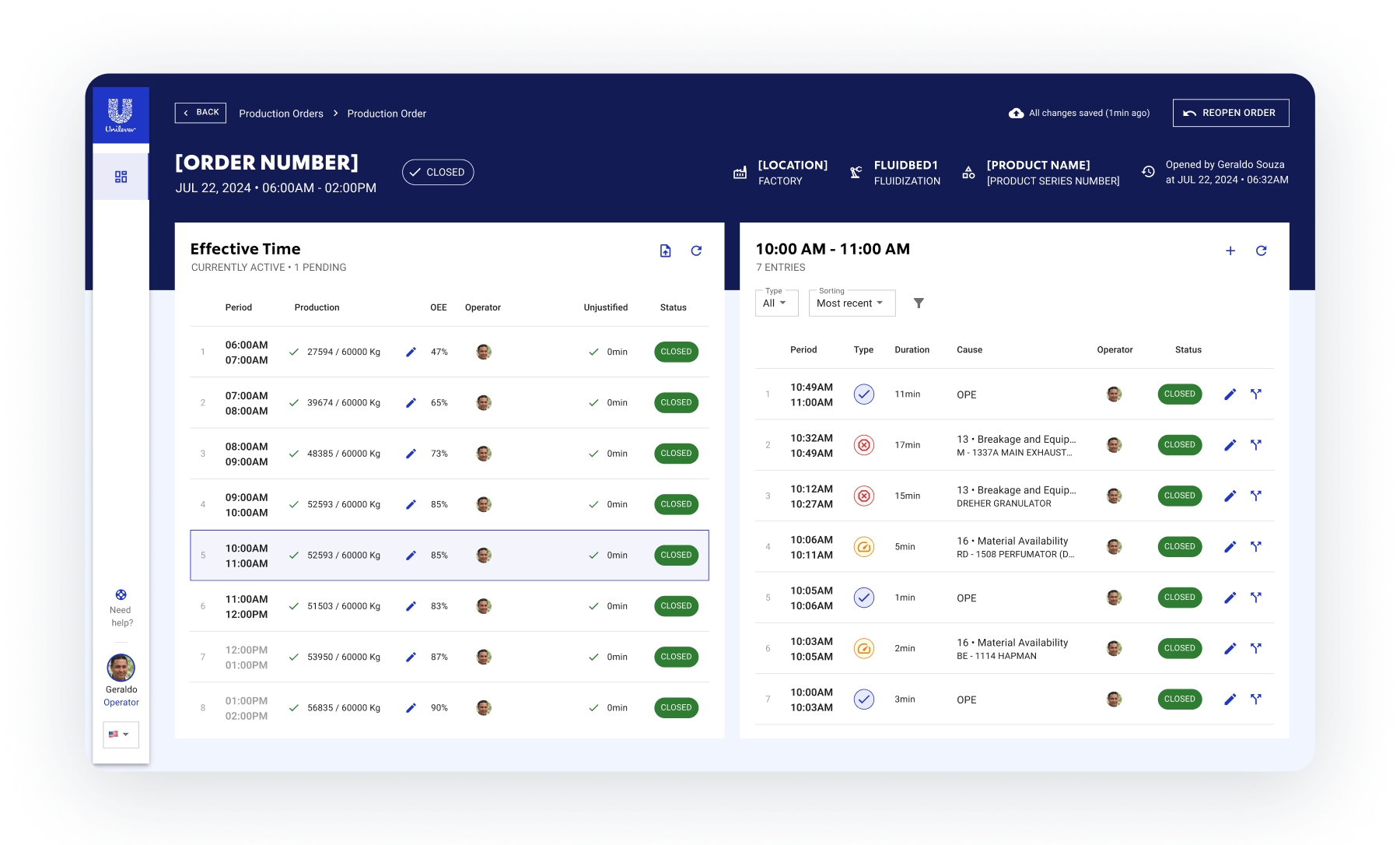

We initially had no idea how valuable the Discovery stage would be for our project. Vinta didn’t just address our requests; they also proposed tangible improvements that were practical and easy to implement.”
Product, design, and engineering,
deciding together with you.
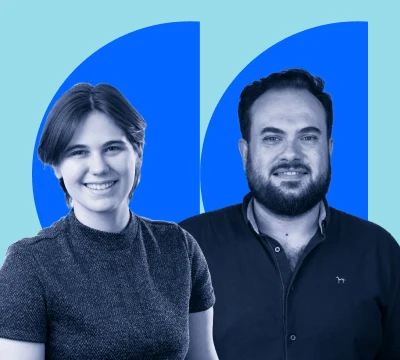
Our product manager and designer work with your stakeholders, supported by a senior engineer on technical decisions. AI helps generate the UI; our team directs and reviews the work with you.
Product Manager
Aligns your goals and stakeholders and defines what the discovery covers. Owns the story map, prioritization, requirements, and roadmap, and hands the work to the team that builds it.
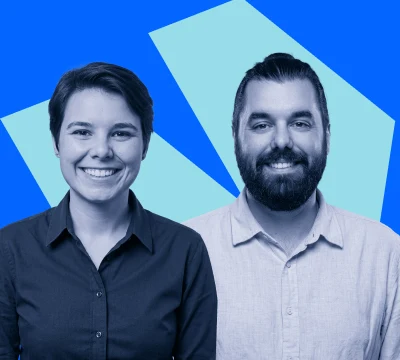
Product Designer
Leads the design workshops and sketches the experience with you. Directs AI-assisted UI generation, owns the design system and Storybook components, and runs the reviews where you approve them.
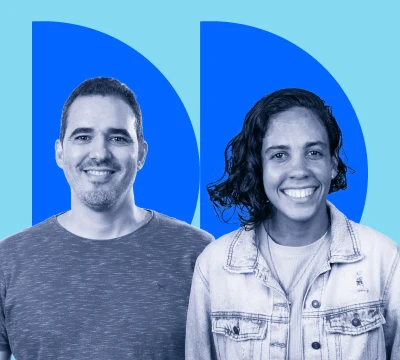
Senior Software Engineer
Reviews your constraints, data, and dependencies to assess feasibility and risk. Recommends a stack, rates each finding by confidence, and checks that the designs can be built efficiently.
Before you start Product Discovery
Both. Discovery fits a new product or an existing one exploring a new direction when scope, design, or technical questions need attention. If you only need a scope and rough estimate to decide, Healthcare Product Framing may be a better fit. If scope and design are already validated, we can discuss moving directly into development.
For the agreed scope: a Product Canvas, proto-personas, a user journey map, a prioritized story map, and coded UI in Storybook. You also receive an MVP requirements document, a technical assessment, a roadmap with rough timeline estimates, and a proposal for development. The handoff records key decisions, exclusions, and remaining gaps.
Discovery delivers product definition and coded UI components in Storybook. A working application requires a separate build engagement. If you need a demoable MVP immediately, we can assess whether MVP AI Fast-track fits your project.
Yes. Bring your prototype, research, technical decisions, and any AI-generated material. We review what can carry forward and focus on unresolved questions. We agree the scope and constraints together before the work begins.
We work through workshops, prioritization, and reviews with your stakeholders. Your team brings product context and existing assets; Vinta brings product management, design, and technical assessment. At kickoff, we agree who makes scope decisions and when feedback is needed.
Validation focuses on the agreed scope, stakeholder design reviews, and technical assessment. Proto-personas capture working assumptions about users. We document remaining questions and technical confidence levels; customer research or usability testing must be explicitly agreed in the scope.
The roadmap provides rough timeline estimates to support planning. We make assumptions, dependencies, and remaining uncertainties clear. Development scope and commitments are defined in the build proposal, and the roadmap evolves as the team learns.
Yes. For digital health products, Healthcare Discovery follows the same three weeks with health-specific work: care workflow mapping, FHIR resource mapping, integration recommendations, and compliance considerations.
We present the consolidated handoff and a proposal to continue development with a Vinta Dedicated Team. The components and documentation carry into the build. If your internal team takes the work forward, the same package gives them the decisions, priorities, and technical context to start from.
Book a call
Let’s define the next step
for your product.
Tell us what you’re building, what you already have, and which decisions are holding you back. We’ll discuss whether Discovery fits your next milestone.
Prefer email? Contact [email protected].