Ten years of Vinta talks at Python conferences in Brazil

Diogo de MirandaHiring Manager

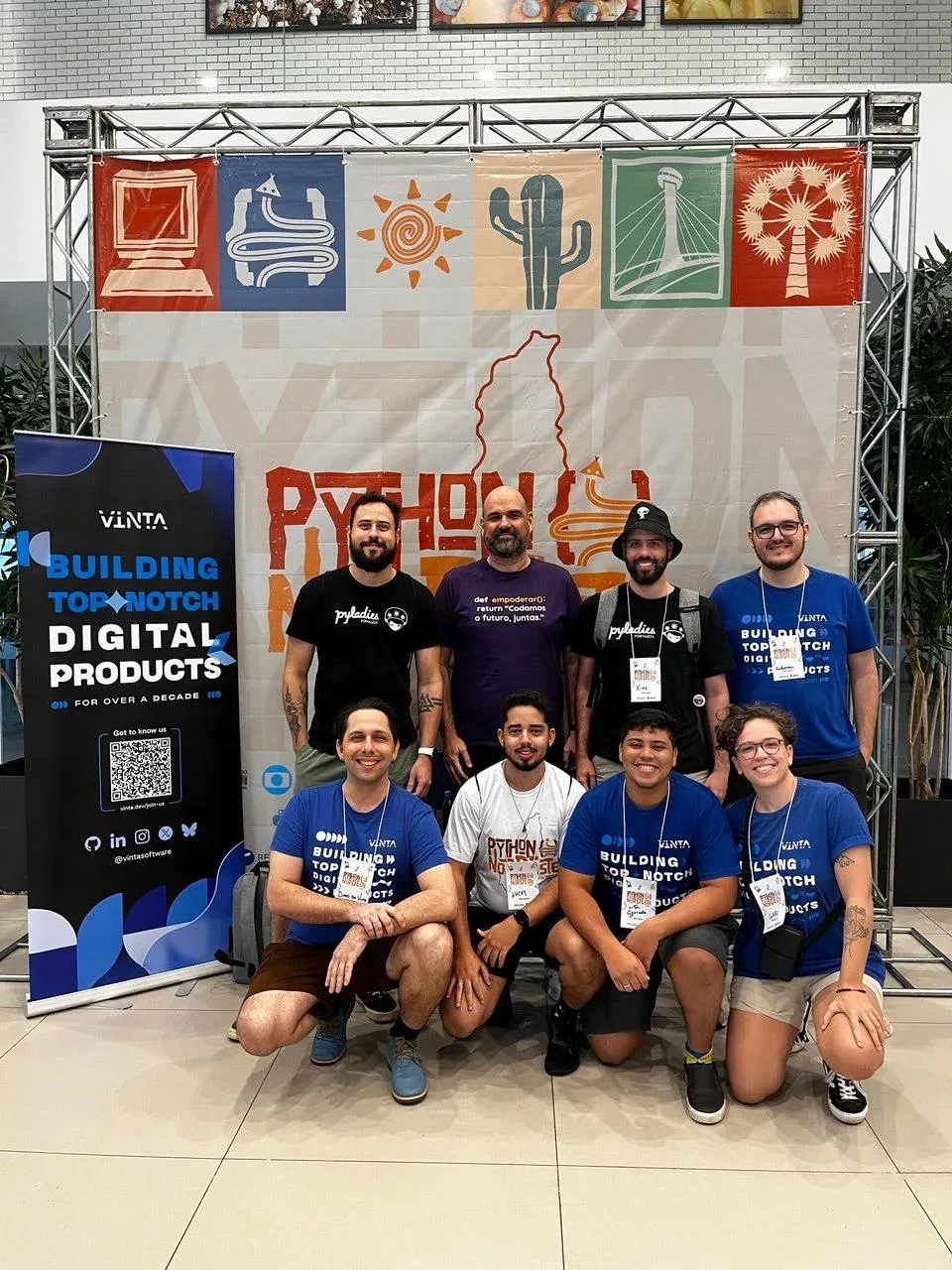
Since 2016, Vinta’s engineers have given more than 60 talks and keynotes at Brazilian Python events: ten editions of Python Brasil, nine of Python Nordeste, and Python Sul, Python Cerrado, PyLadies Brasil Conf and the GruPy-RN meetup. In 2020 we also organized PythonXP, an online Python and Django conference, and four editions of the FrontJS meetup.
Our founders organized the tenth Python Brasil, in 2014, and in 2017 we helped organize Django Girls Recife. Since then we have supported the communities that run these events, and we speak abroad too, at DjangoCon US and PyGotham. This page lists every Brazilian edition, newest first: who spoke, about what, and the slides, schedule pages and recordings that are still online. The talks and slides are in Portuguese; each talk shows its original title under the English one.
Key takeaways
Python Brasil, ten times
Vinta’s engineers spoke at ten Python Brasil editions from 2016 to 2026, with keynotes in 2019 and 2021.
Python Nordeste, every year
Our team spoke at nine Python Nordeste editions, from São Luís in 2017 to Fortaleza in 2026.
Django in production
Most talks are about Python and Django in production: performance, testing, multi-tenancy, migrations, search and encryption.
Team and process
Others cover how teams work: pull requests, knowledge management, feature flags, delivery forecasts and management.
PythonXP, our conference
PythonXP 2020 was the online conference we organized: nine guest talks and a donation of R$ 5,290 to PE Solidário.
FrontJS, our meetup
In 2020 we hosted four FrontJS editions on front-end topics, with every talk recorded.
Every event at a glance
2026
- Python BrasilFlorianópolis2 talks and a panel
- Python NordesteFortaleza1 talk
- Python SulLondrina1 talk
2025
- Python SulPorto Alegre1 talk
- Python BrasilSão Paulo2 talks
- Python NordesteTeresina1 talk
- PyLadies Brasil ConfTeresina1 keynote
- GruPy-RNNatal1 talk
2024
- Python CerradoBrasília1 talk
- Python BrasilRio de Janeiro2 talks
- Python NordesteNatal1 talk and a keynote
Show all 26 events, back to 2016Show fewer
2023
- Python NordesteSalvador1 talk
2022
- Python BrasilManaus2 talks
- Python NordesteAracaju4 talks
2021
- Python BrasilOnline1 talk and a keynote
- Python NordesteOnline4 talks
2020
- FrontJSOrganized by VintaOnline4 editions, 9 guest talks
- Python BrasilOnline2 talks
- PythonXPOrganized by VintaOnline9 guest talks
2019
- Python BrasilRibeirão Preto5 talks and a keynote
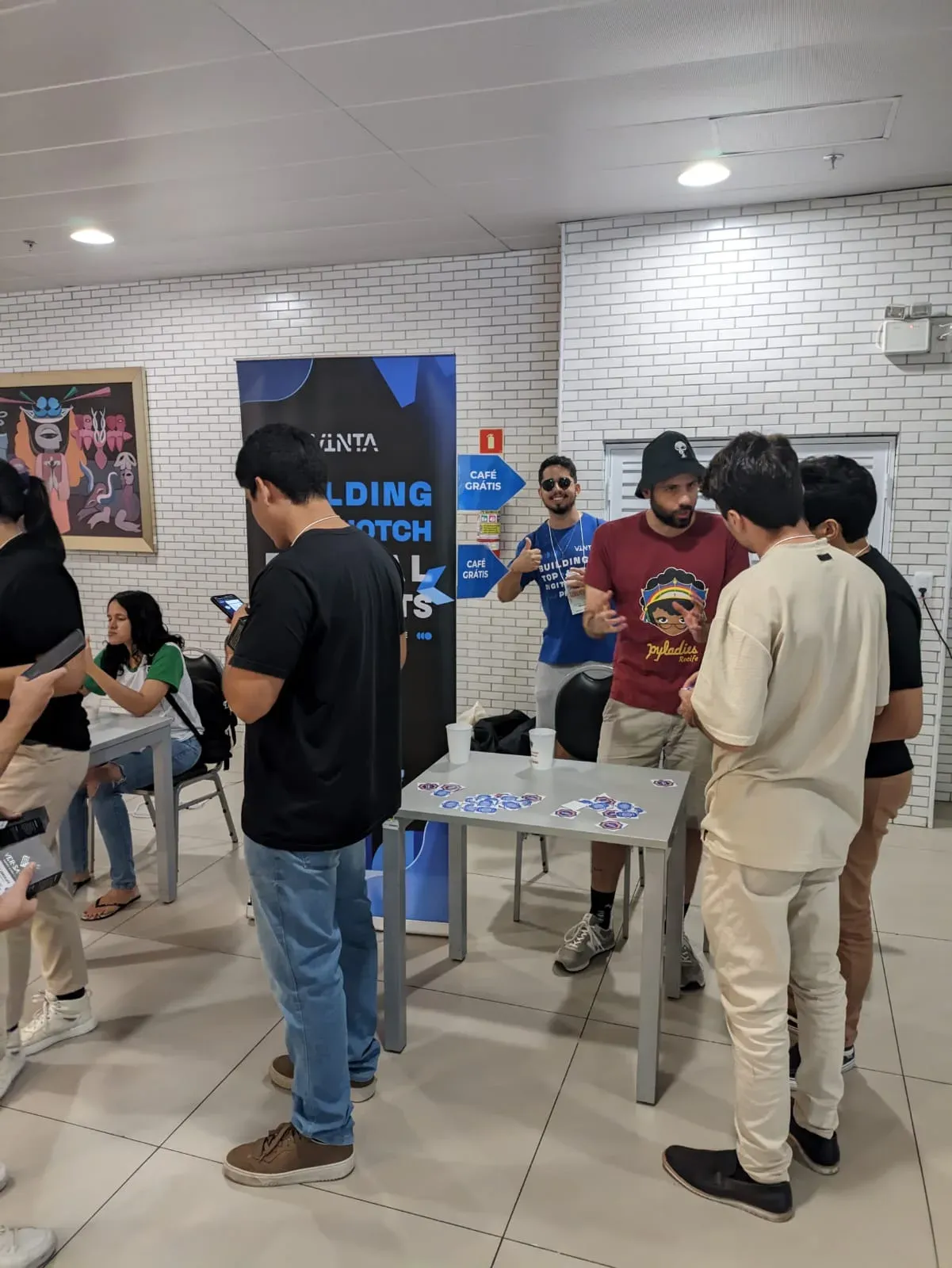
- Python NordesteRecife3 talks and a booth
2018
- Python BrasilNatal4 talks
- Python NordesteParaíba7 talks
2017
- Python BrasilBelo Horizonte7 talks
- Python NordesteSão Luís4 talks
2016
- Python BrasilFlorianópolis4 talks
2026: Python Brasil, Nordeste and Sul
Python Brasil 2026
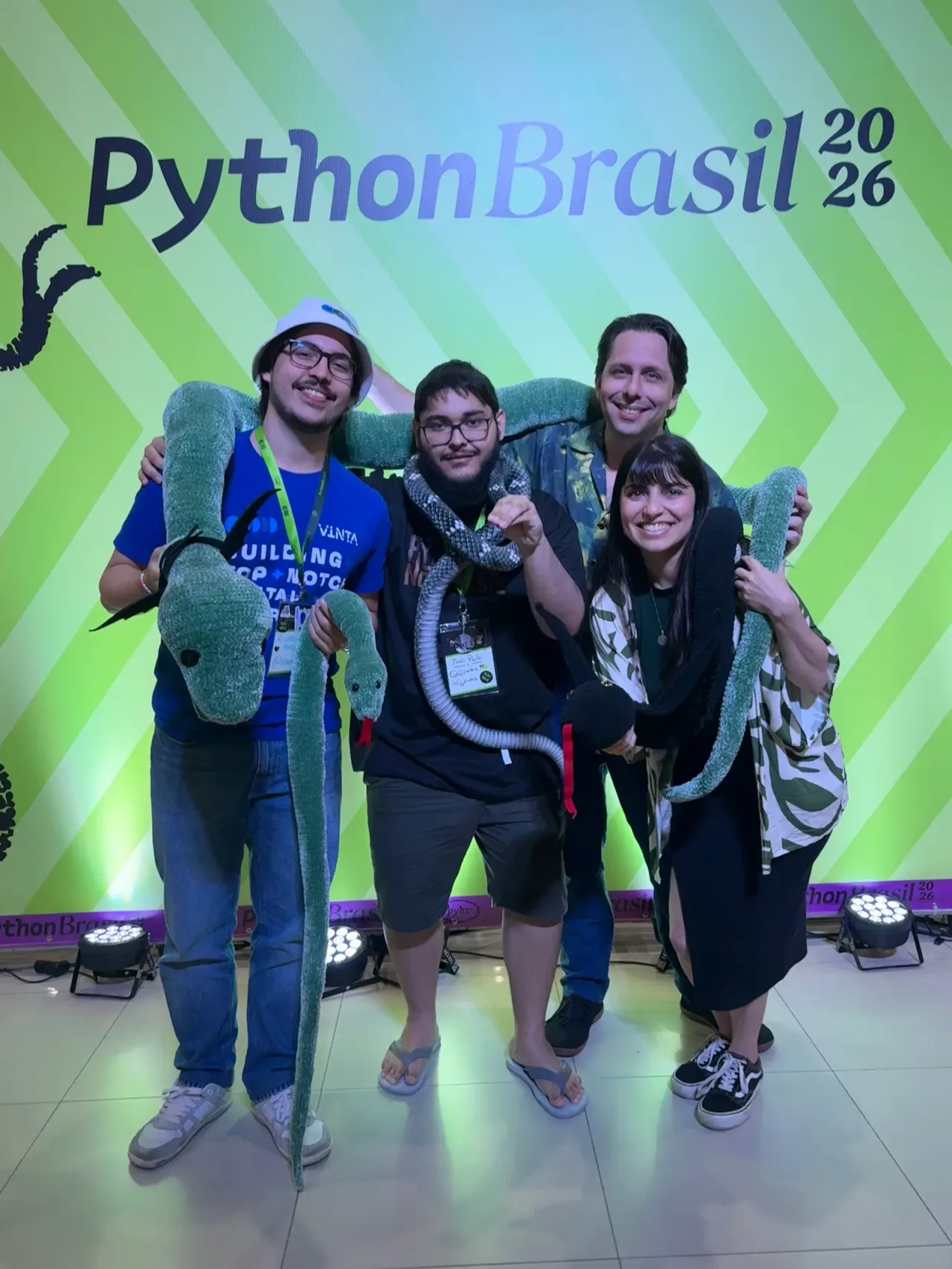
Python Brasil 2026 took place in Florianópolis, from October 14 to 19, ten years after the 2016 edition in the same city.
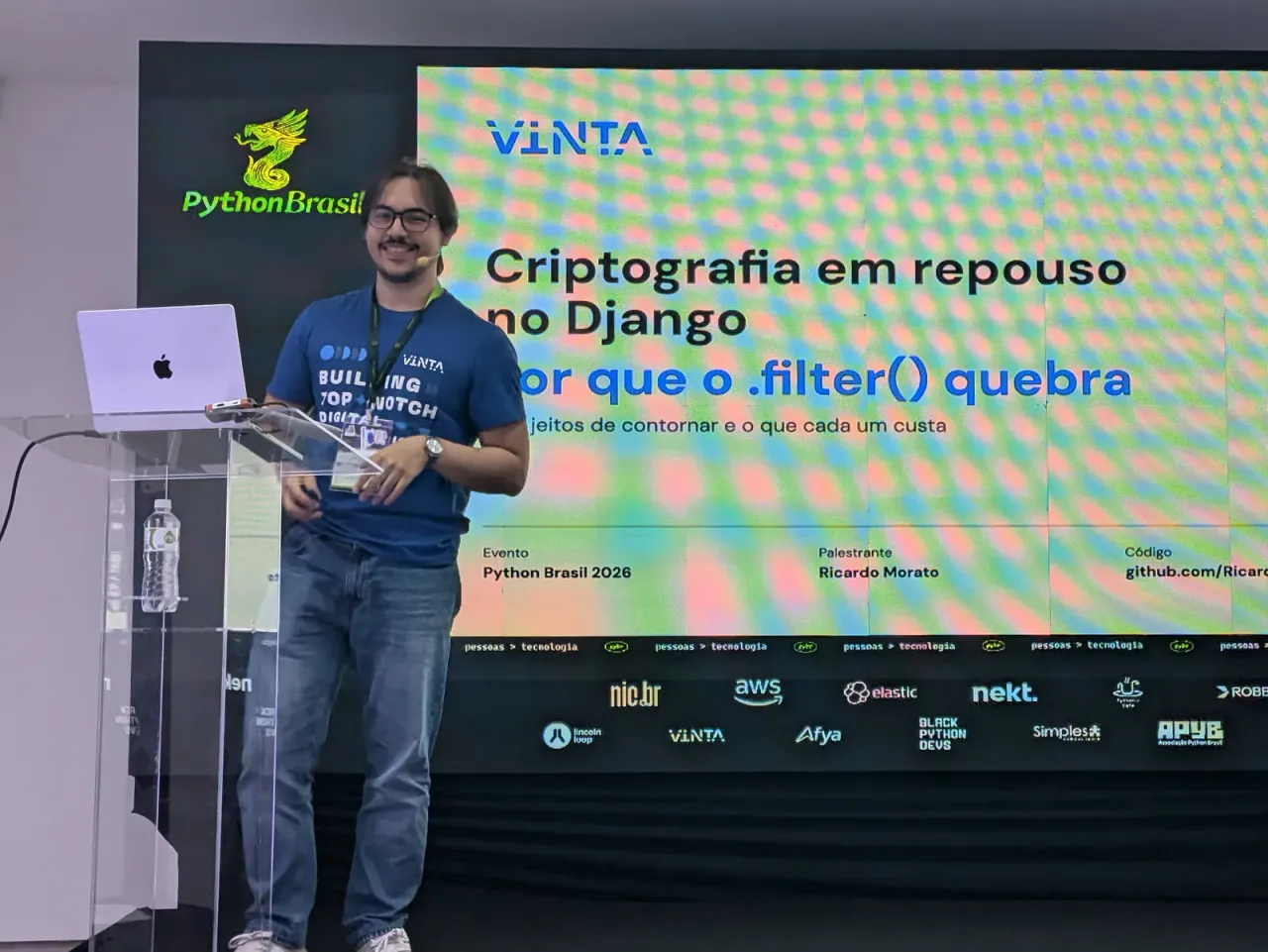
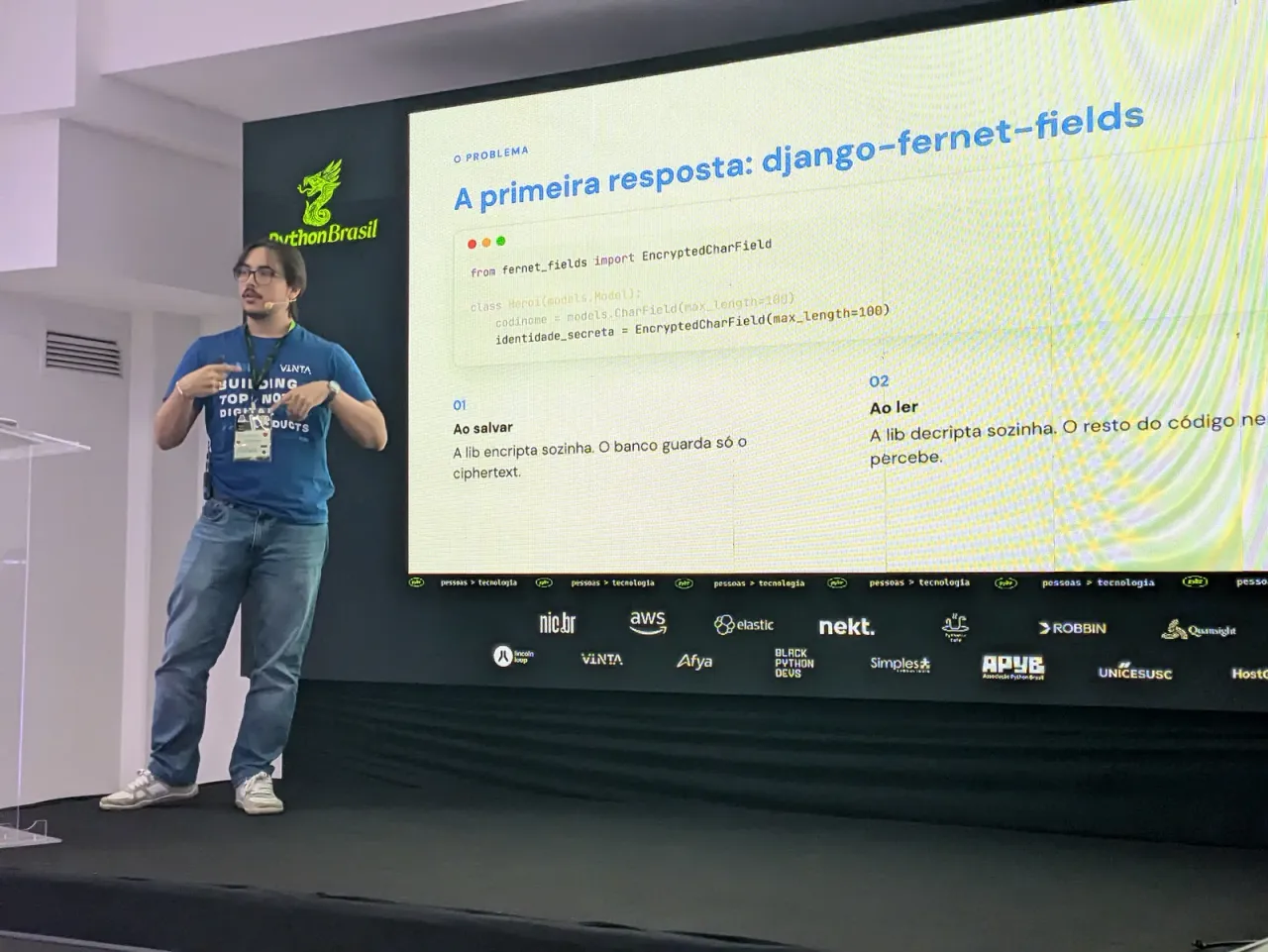
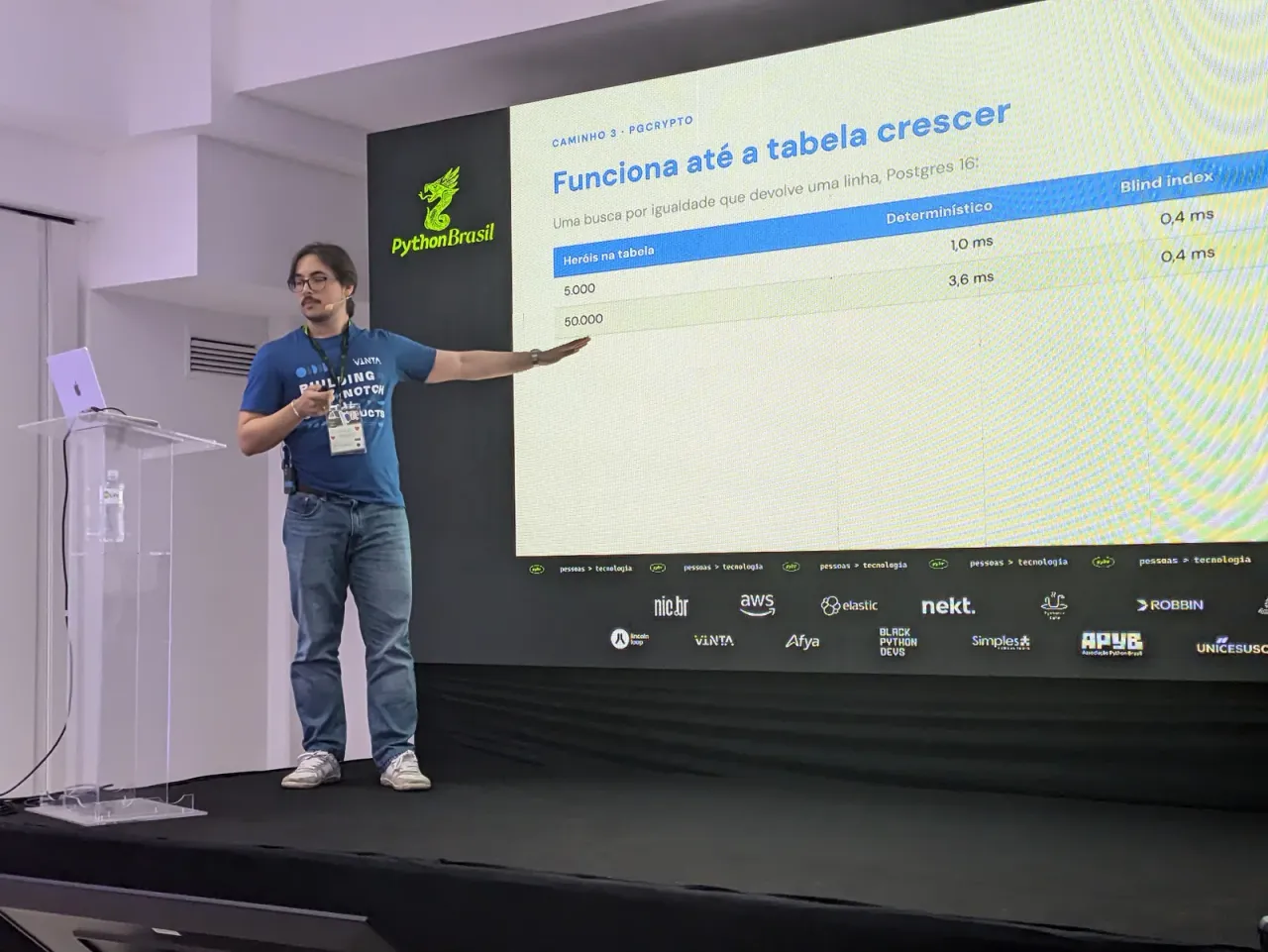
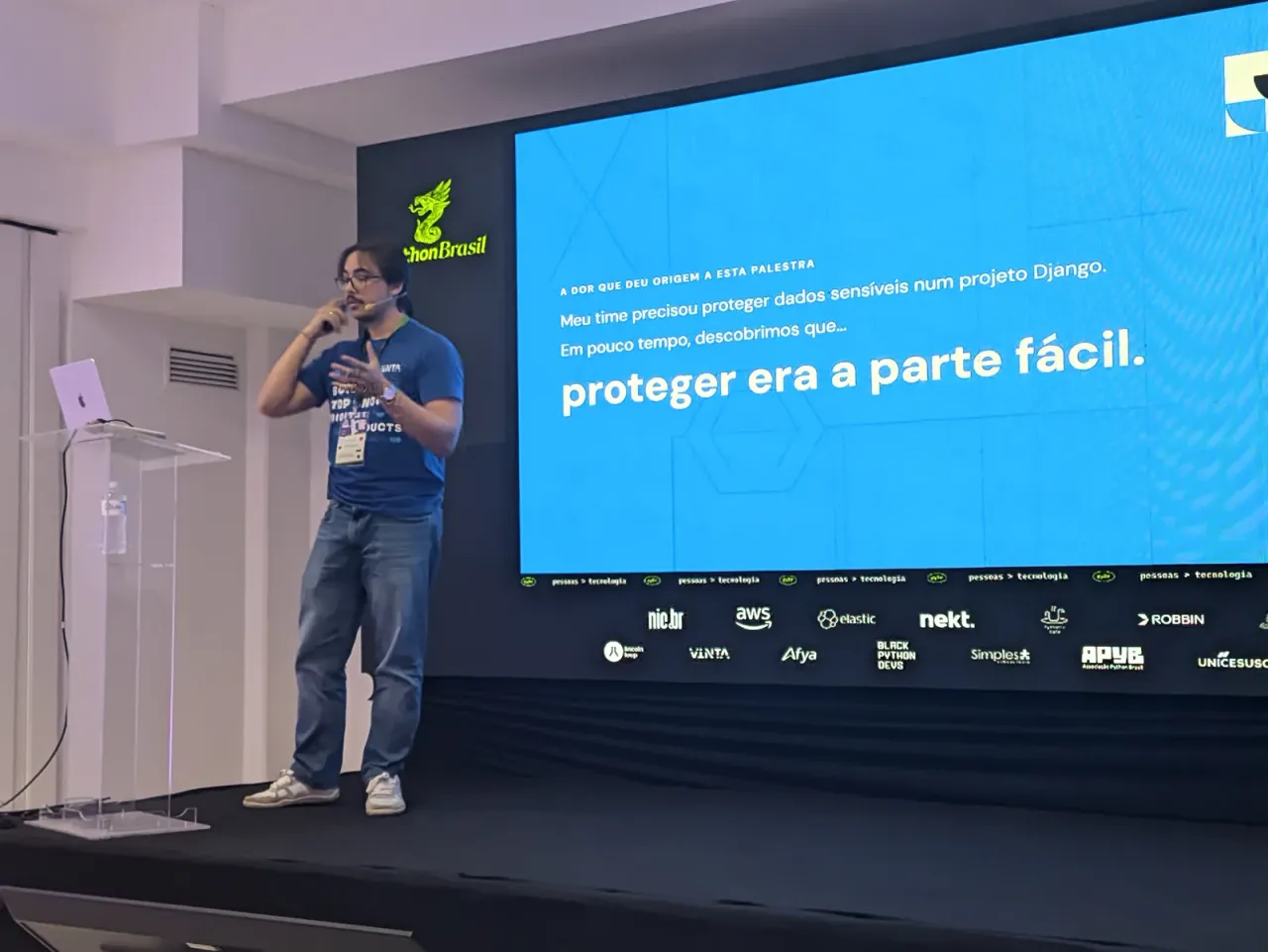
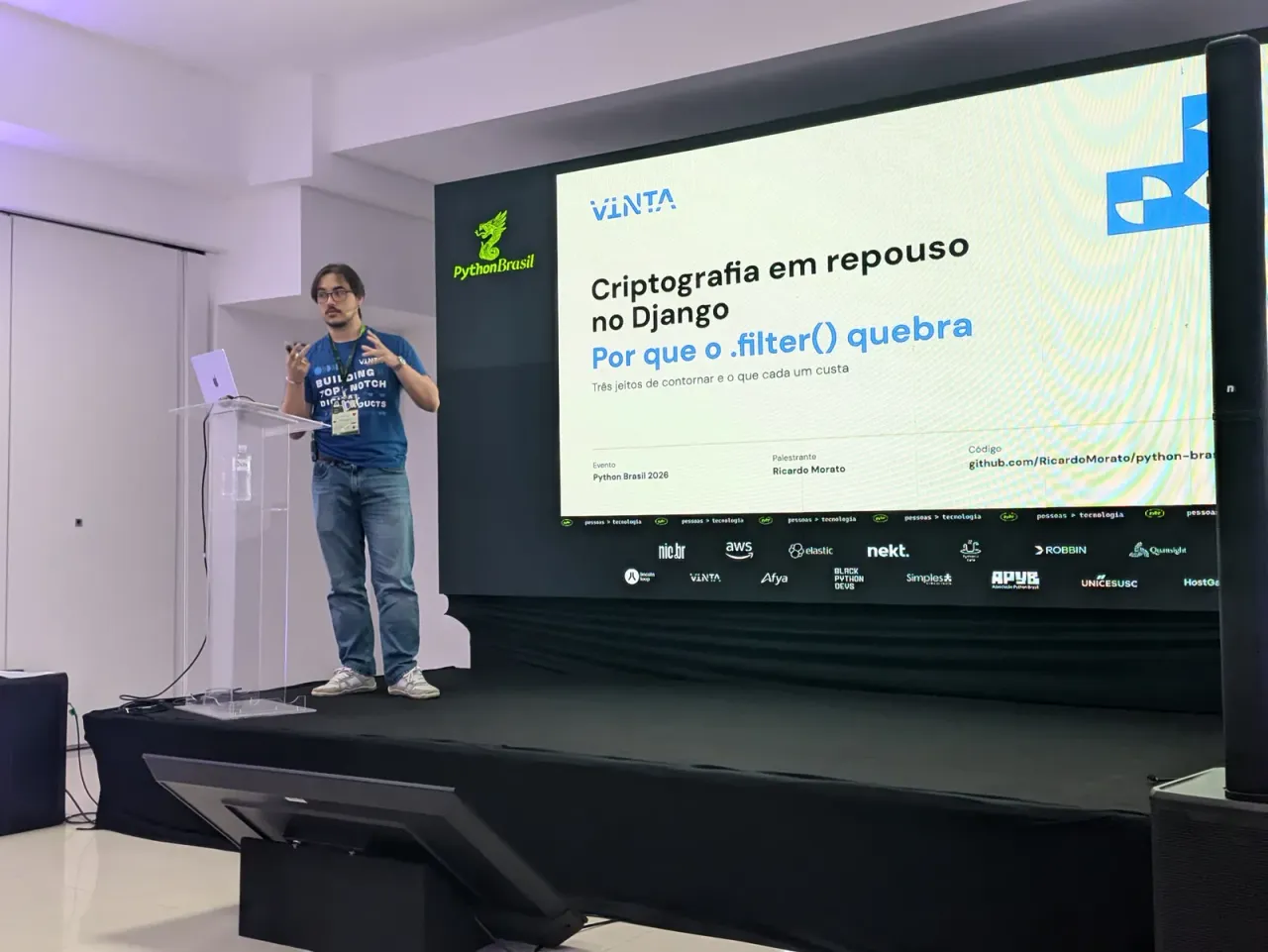
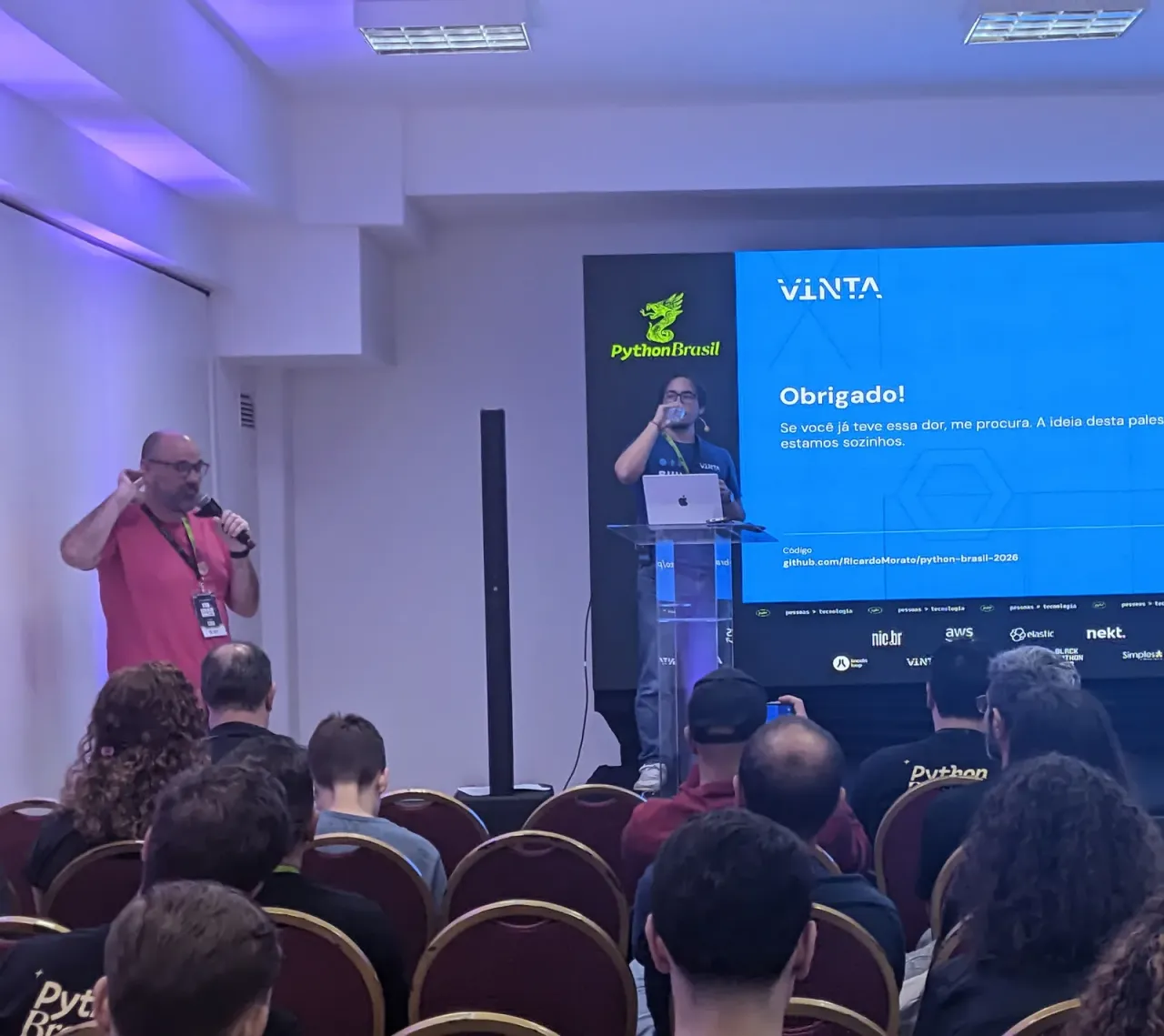
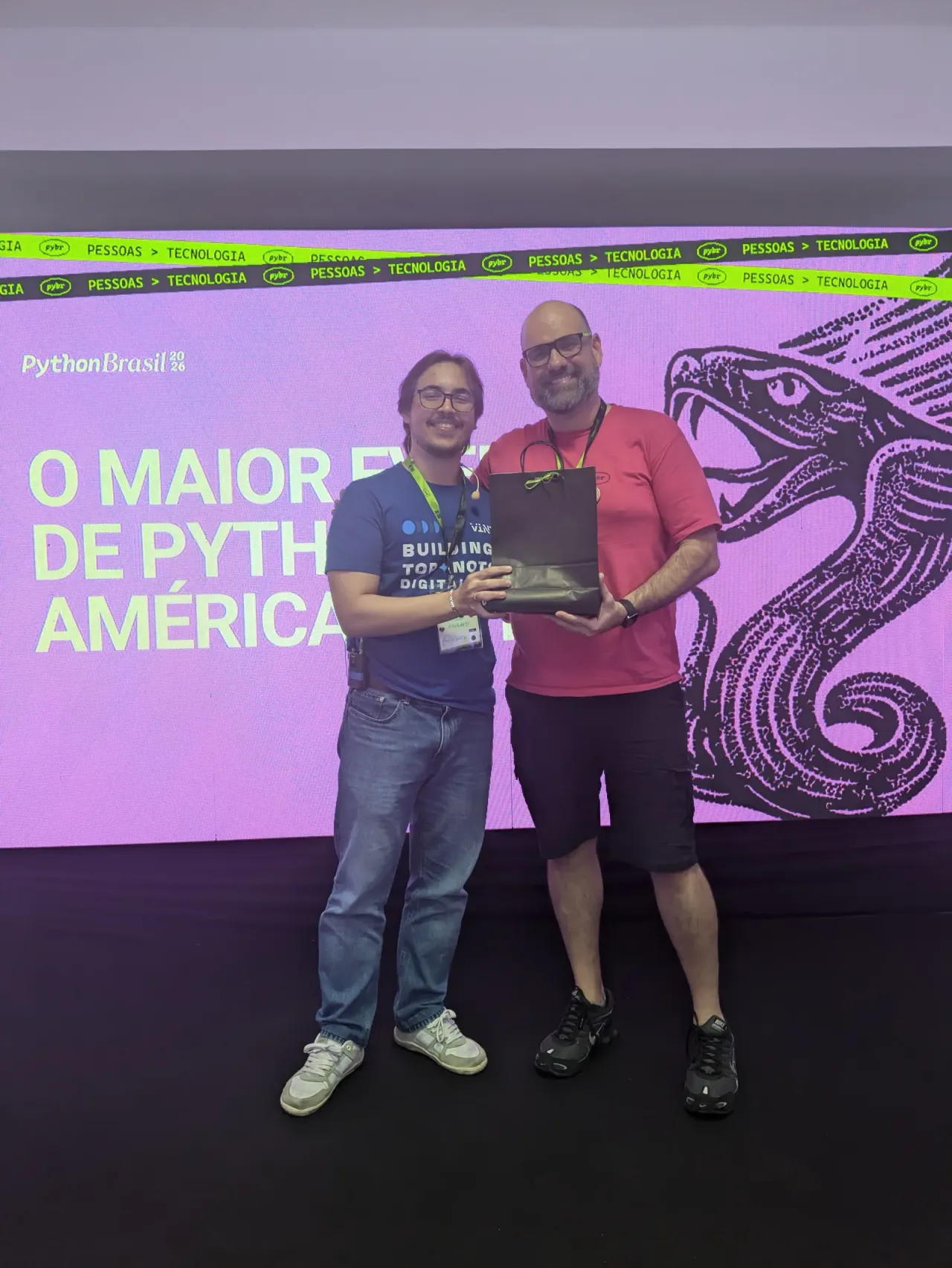
Django + Rust: transparent encryption in the database
Django + Rust: criptografia transparente no banco de dados
When will it be ready? How to forecast software delivery
Quando fica pronto? Como prever entrega de software
Panel
Python Floripa 100: long live tech communities
Painel Python Floripa 100: Vida Longa às Comunidades Tech
Python Nordeste 2026
Python Nordeste 2026 took place in Fortaleza, from August 13 to 15.
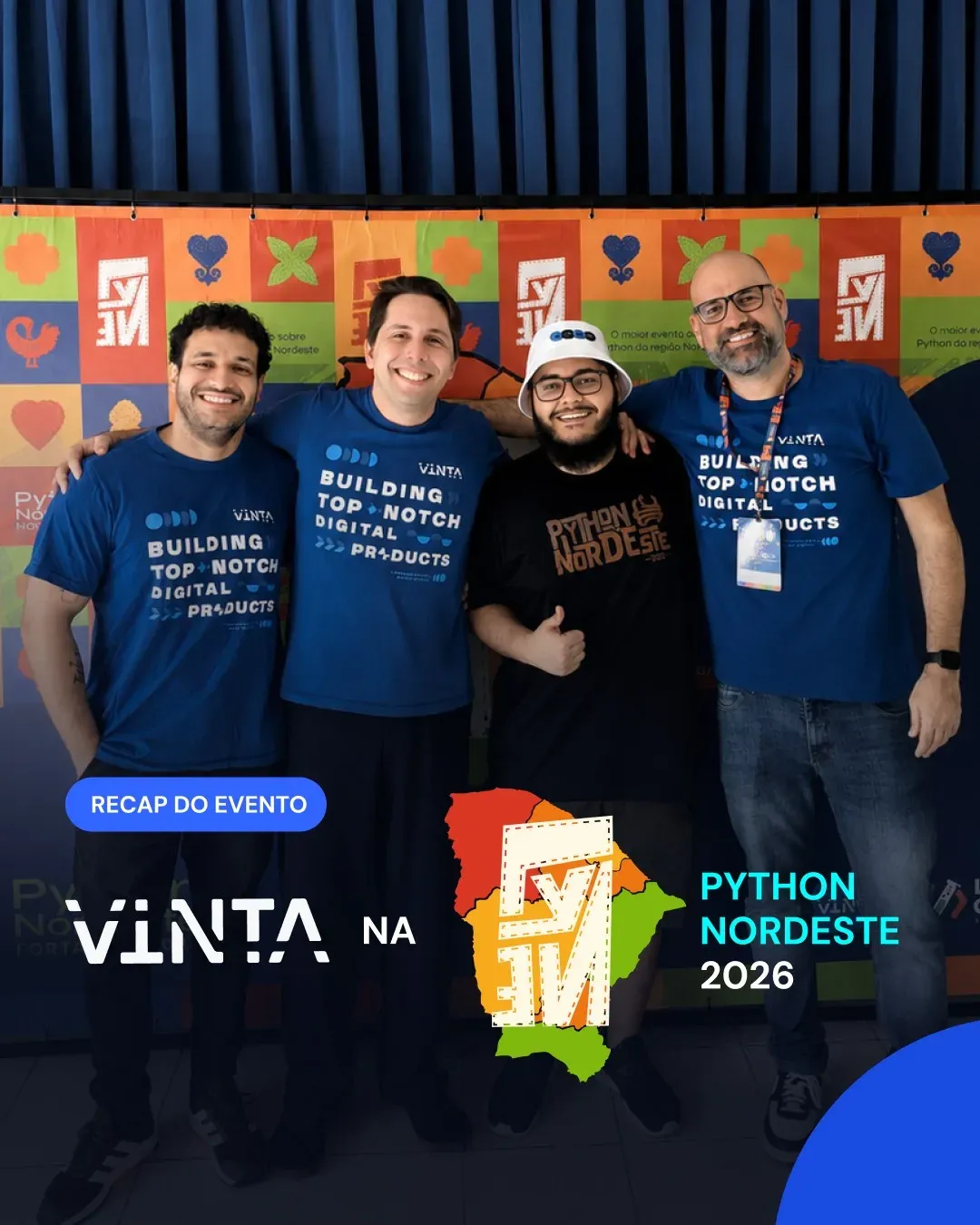
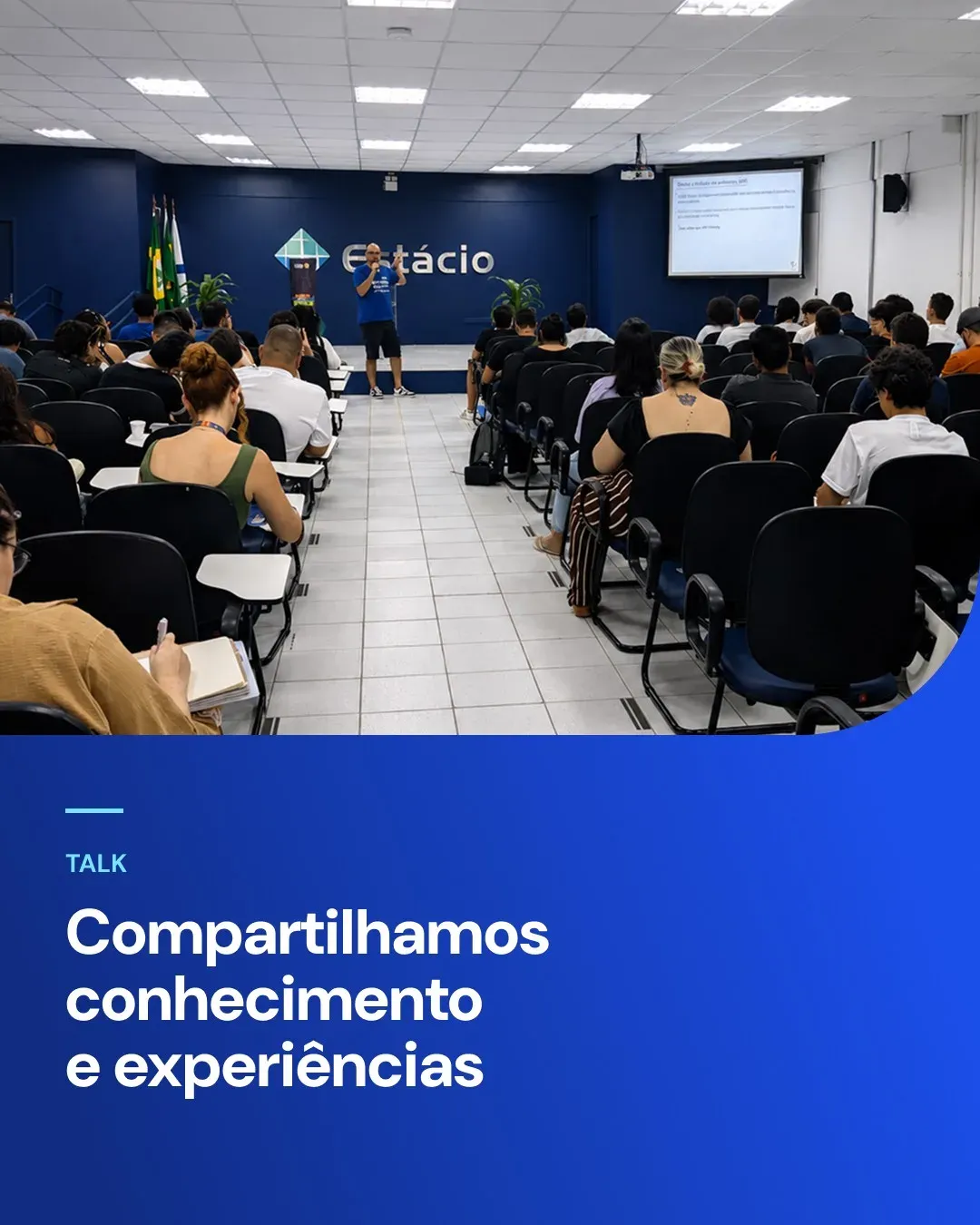


When will it be ready? How to answer the client’s hardest question
Quando fica pronto? Como responder a pergunta mais difícil do cliente
Python Sul 2026
Python Sul 2026 took place in Londrina, from May 1 to 3.
When will it be ready? Using data to answer the client’s hardest question
Quando vai ficar pronto? Usando dados para responder a pergunta mais difícil do cliente
2025: Python Sul, Brasil, Nordeste and PyLadies
Python Sul 2025
Python Sul 2025 took place in Porto Alegre, from November 21 to 23. Its schedule is kept in the event site’s repository.
Optimize your queries: avoiding common traps in Python ORMs
Otimize suas consultas: Evitando armadilhas comuns em ORMs Python
Python Brasil 2025
Python Brasil 2025 took place in São Paulo, from October 21 to 27.
10x developers don’t exist, but what about 10x teams?
Devs 10x não existem, mas e times 10x?
HTMX and Django: modern web development made simple
HTMX e Django: desenvolvimento web moderno e descomplicado
Python Nordeste 2025
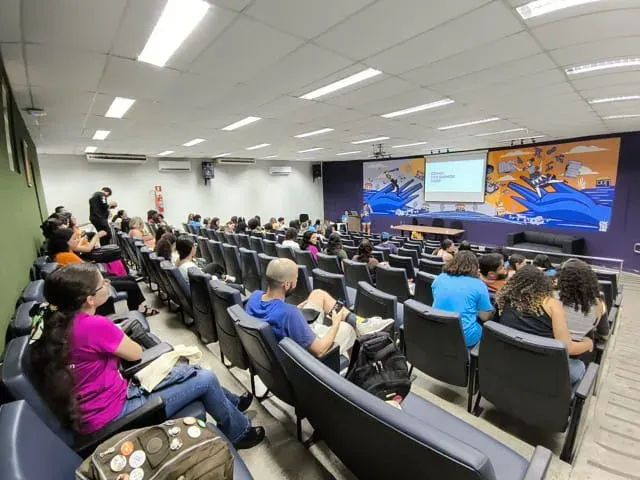
Python Nordeste 2025 took place in Teresina, from June 20 to 22.
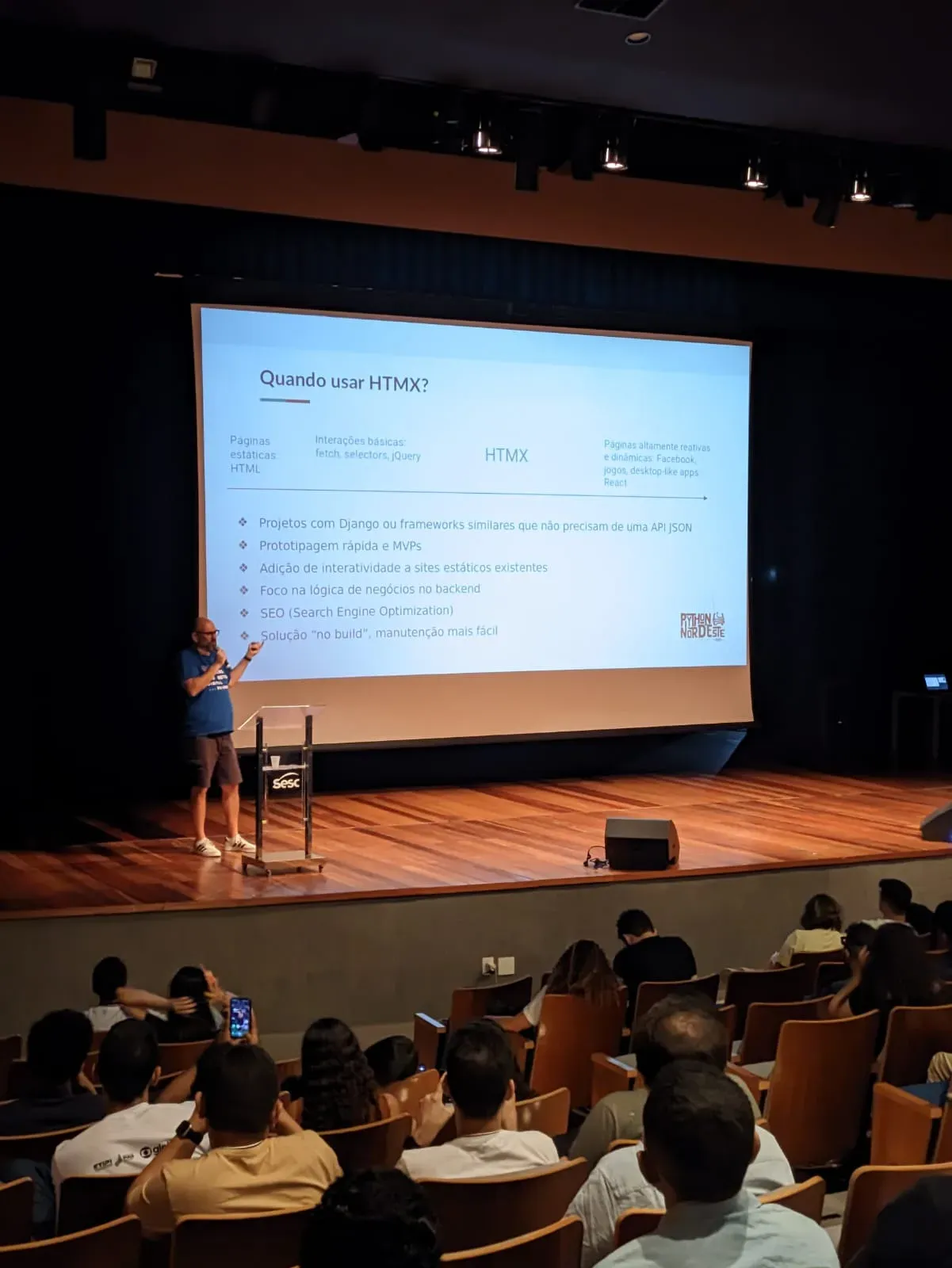
HTMX and Django: modern web development
HTMX e Django: desenvolvimento web moderno
PyLadies Brasil Conf 2025
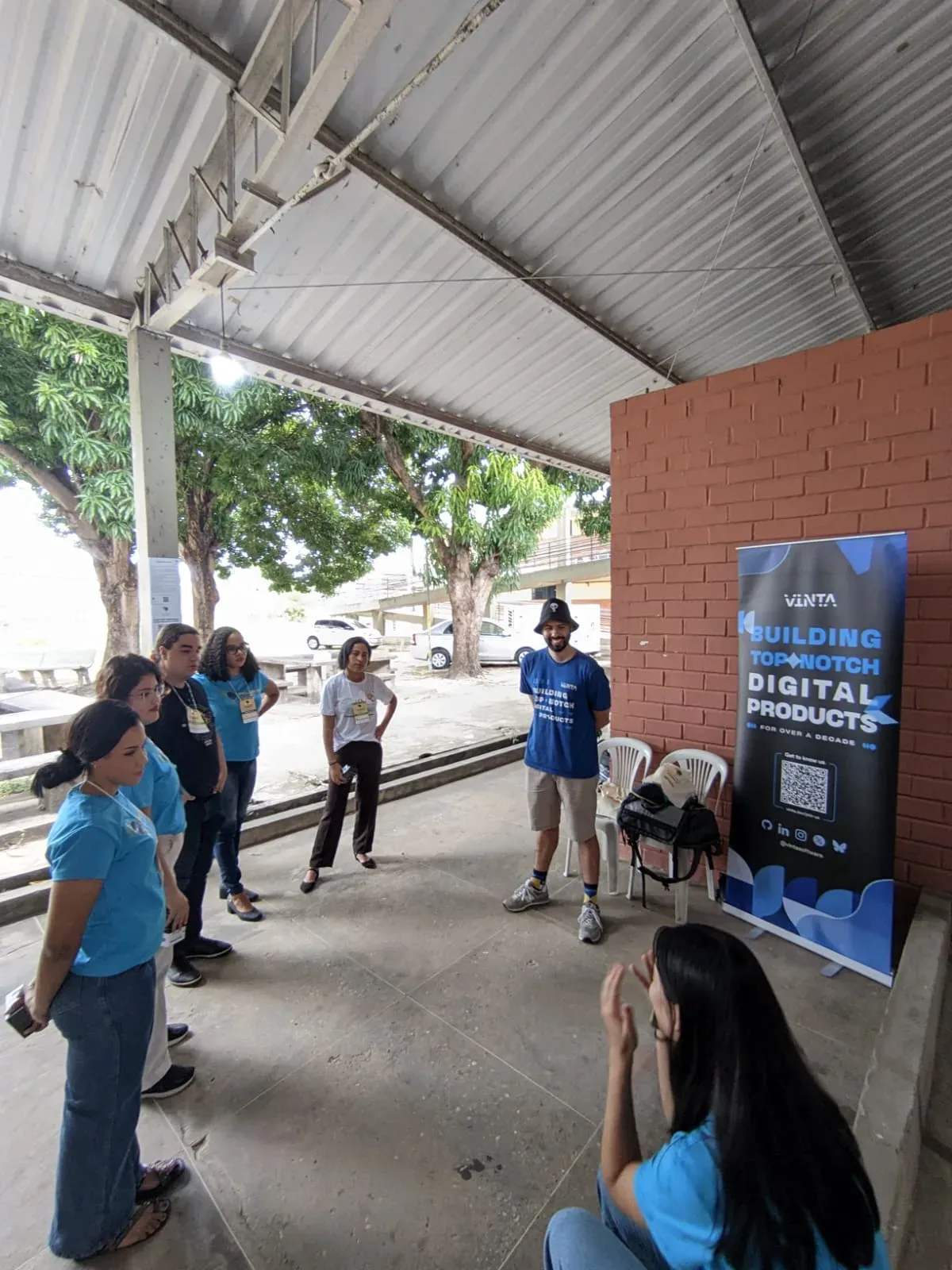
PyLadies Brasil Conf 2025 took place in Teresina, on June 19, the day before Python Nordeste. Gabriela Cavalcante, from Vinta, gave one of the conference’s keynotes.
GruPy-RN 2025
The 20th GruPy-RN meetup took place in Natal, on March 15, 2025.
A quick guide to automated tests
Um guia rápido sobre testes automatizados
2024: Python Brasil, Nordeste and Cerrado
Python Cerrado 2024
Python Cerrado 2024 took place in Brasília, together with the Plone Conference, from November 25 to December 1.
PostgreSQL indexes: the right tool for each query
Índices PostgreSQL: A Ferramenta Certa para Cada Consulta
Python Brasil 2024
Python Brasil 2024 took place in Rio de Janeiro, from October 16 to 21.
How to build AI assistants in Django
Como construir assistentes com IA em Django
Django migrations, the easy way
Django Migrations com sombra e água fresca
Python Nordeste 2024
Python Nordeste 2024 took place in Natal, from August 9 to 11, and Gustavo Carvalho, from Vinta, was one of the event’s keynote speakers.
Avoiding slowdowns when prefetching in Django
Evitando lentidão ao lidar com prefetching em Django
2023: Python Nordeste
Python Nordeste 2023
Python Nordeste 2023 took place in Salvador, from September 22 to 24.
Feature flags: controlling features in production
Feature Flags: controlando features em produção
2022: Python Brasil and Nordeste
Python Brasil 2022

Python Brasil 2022 took place in Manaus, from October 17 to 23, the first edition in the North of Brazil and the first in person after the pandemic. Vinta was one of its sponsors.
SRE: Google’s reliability engineering
SRE: A engenharia de confiabilidade do Google
SRE is what you get when you treat operations as a software problem.
Historically, there have always been separate operations (sysadmin) and development teams: development focused on shipping fast, operations on keeping systems stable. For several reasons, that setup stopped scaling as technology evolved, and that is where the need for SRE comes from.
In this talk I go into how SRE emerged and why it is needed, through its definition and concepts. I explain the broader idea of reliability, the impact unreliable systems can have and what leads systems to be considered unreliable.
I also cover what a person in an SRE role does in practice, explain SLO, SLI and SLA, and what the role’s responsibilities and tasks are.
Don’t trust your memory: knowledge management for developers
Não confie na memória: gestão de conhecimento pra desenvolvedores
Good teams are always improving their processes and the way they build software. In this constant search for improvement, we often forget how and why we got where we are. This talk covers some of the most common forms of this forgetting and some ideas to solve them.
As developers, we learn many new things every day, and not only about tools, languages and frameworks. We learn which patterns work best in each scenario, we learn to research, to investigate, to see through layers. Who has never looked at a terribly written line buried deep in the code only to find out its author was none other than themselves?
Here I discuss the best ways to document for each context and, more than that, how to build a culture of constant, distributed learning and sharing in your team so forgetting does not get in your way.
Python Nordeste 2022
Python Nordeste 2022 took place in Aracaju, from August 26 to 28, with four Vinta talks on the schedule.
Memory is not reliable: knowledge management for engineering teams
Memória não é confiável: Gestão de Conhecimento para times de engenharia
Demystifying the Django ORM
Desmistificando a ORM do Django
Hunting exoplanets with Python
Caçando exoplanetas com python
Code as law: implementing and explaining web3 with web2
Código como lei: implementando e explicando web3 com web2
2021: Python Brasil and Nordeste, online
Python Brasil 2021

Python Brasil 2021 was the first fully online edition, because of the COVID-19 pandemic. Gabriela Cavalcante was one of its keynote speakers, and André Carneiro had his talk accepted. Both recordings are on Python Brasil’s YouTube channel.
Keynote
Gabriela Cavalcante’s keynote
Gabriela shared some of her inspiring journey with attendees.
Unlocking Django admin superpowers with widgets
Ativando superpoderes do Django Admin com Widgets
Django admin can make magic. It takes declarative code and generates a lot of working code to run your software. Looking under the hood, it works with widgets: the class behind the logic of your form fields. Widgets manage how Django will render the fields, how it will save their data, and how they change when inserted with wrong data, among other aspects of their behavior. This talk dives deeply into widgets, how powerful you become when you understand how they work, and the common pitfalls around their usage.
Python Nordeste 2021
The 2020/2021 edition of Python Nordeste was online, from July 16 to 18, 2021. The talks are in the event’s YouTube streams.
Dodging neural networks: an introduction to adversarial machine learning
Driblando Redes Neurais: uma introdução a Adversarial Machine Learning
Building pipelines with Airflow
Construindo pipelines com Airflow
200 OK: building quality APIs with Django REST Framework
200 OK: Construindo APIs Django REST Framework com qualidade
Privacy-preserving methods: how to build a secure project
Métodos de preservação de privacidade: como construir um projeto seguro
2020: PythonXP, FrontJS and Python Brasil
With in-person events suspended by the pandemic, Vinta organized two online events in 2020: PythonXP, our first conference, and four editions of the FrontJS meetup. Our team also spoke at Python Brasil, online for the first time that year.
FrontJS #8

FrontJS is an event to discuss technologies, frameworks and methodologies for building front-end applications with JavaScript. Some of the topics we cover are React.js, Angular.js, Vue.js, Flux and Ember. There were four editions in 2020, all with recorded talks.
Svelte: components without boilerplate
Svelte: componentes sem boilerplates
Understanding memoization with React
Entendendo memoização usando o React
Python Brasil 2020
Python Brasil 2020 was online, from November 2 to 8. The recordings are listed in the Python Brasil talks repository.
This documentation only lacks a voice: writing, reviewing and testing (yes, testing!) end-user documentation
Essa documentação só falta falar: escrevendo, revisando e testando (isso mesmo!) documentação para usuários finais
Dodging neural networks: an introduction to adversarial attacks
Driblando Redes Neurais: uma introdução a ataques adversários
FrontJS #7
Micro frontends: hype or not?
Micro Frontends: Hype ou não?
Accessible web apps for audio guides
Webapps acessíveis para audioguias
PythonXP 2020

The COVID-19 pandemic changed everyone’s plans, especially around bringing many people together under one roof. With tech events postponed, we missed contributing to knowledge sharing in the community.
At the same time, live-streaming tools became more accepted. Zoom, Meet, YouTube and other platforms reached more people and made room for interpersonal needs.
So we adapted an idea we had planned at the start of 2020 and held our first fully online conference. At first we imagined it in person, but we decided to produce it in June to fill the gap left by so many cancelled events.
That was PythonXP, a community conference focused on spreading good practices in Python and Django among developers and professionals interested in these technologies.
We also made the event a donation hub for projects fighting the COVID-19 pandemic. Attendees raised R$ 2,645 and we doubled the amount at the end. The chosen initiative, PE Solidário, received R$ 5,290 on July 14, 2020, as the donation receipt shows.
Medallions, ducks and protocols: types in Python 3.8
Medalhões, Patos e Protocolos: tipos em Python 3.8
The controversial type hints are here to stay. Fortunately, since Python 3.8 the type system recognizes structural typing, known as “static duck typing”, so adding type annotations no longer means throwing away all the flexibility of Pythonic code.
Python ecosystem tools in the fight for transparency in Brazil
As ferramentas do ecossistema Python na luta por transparência no Brasil
I present how Python tools such as Pandas, Django and Scrapy are used in Open Knowledge Brasil’s civic innovation projects.
Django migrations: understand them and lose the fear
Django Migrations: para entender e perder o medo
Are you starting with Django and want to understand how its migrations framework works and how to make the most of it? I explain how to use migrations to solve some common scenarios (and some not so common ones) with simple, practical examples.
Class-based views in Django (or what comes after Django Girls)
Class Based Views no Django (ou o que vem depois do Django Girls)
Many Django tutorials show how to receive requests and return responses with HTML pages. That is great for learning the basics, but what comes next? In this talk I show how to start building more complex systems with class-based views, one of Django’s great tools.
Decoupling your tests with HTTPretty
Desacoplando seus testes com HTTPretty
Writing automated tests is part of a developer’s daily work. But we often hit the old crossroads where the component under test calls an external API. What now? With HTTPretty we can build a very interesting approach to this problem.
80 shots are not fired by mistake
80 tiros não são disparados por engano
In Brazil, about 61.6% of people are Black or of mixed race, but that proportion only shows up in prison, where 60% of people are Black or of mixed race, or in death: according to the ISP, 70% of homicide victims in the state of Rio de Janeiro are Black or of mixed race, a number that rises to 75% when we look only at deaths caused by the police.
This talk uses a statistical analysis with Pandas and Matplotlib to show the relationship between public security, skin color and location.
My learning model stole bread from João’s house
Meu modelo de aprendizado roubou pão na casa do João
“Who, me? Yes, you. Not me!” With better tools and more attention on learning algorithms, discussing responsibility for the results a model produces has become essential. In this talk I go through real examples of learning algorithms that break laws in several countries, and the technical effort to make sure machine learning results are ethical or, at the very least, strictly follow local law.
Python in production: keeping your project up
Python em produção: mantendo seu projeto de pé
This talk covers system scalability and performance, with practical tips on the problems every software project used in production by many users goes through: from application server settings to the database, from caching strategies to asynchronous processing.
OOP: object-oriented Pythonisms
POO: Pythonices Orientadas à Objetos
Object-oriented programming is a widely used paradigm, and Python is a widely adopted language, so let’s use this talk to learn the traits and particularities of using this paradigm and this wonderful language together.
FrontJS #6
The sixth edition was about integrating the front end with the back end.
A production-ready Django + React boilerplate
Um boilerplate utilizando Django + React e pronto para a produção
Generating tests from consumer-driven contracts with Pact.io
Geração de Testes Baseada em Consumer-Driven Contracts com o Pact.io
rel-events: a classic way to handle Redux and APIs
rel-events: uma maneira clássica de lidarmos com Redux e APIs
FrontJS #5
Fake backend
When building frontend applications that depend on one or more APIs, developers often face delays because the backend is unstable or out of sync with frontend development. Frontend developers could often get a lot done if they could count on a stable backend, even a fake one.
This talk shows how to get the most out of the MirageJS library to create, in seconds, a fake backend that gives frontend developers everything they need to implement new requirements, even when the backend is not ready.
The power of reactive programming with RxJS
O poder da programação reativa com RxJS
This talk presents concepts and practical examples of some RxJS (rxjs.dev) operators and how we use them day to day at Justa Pagamentos in Angular applications.
Although RxJS ships by default in applications generated by the Angular CLI, it is completely framework-agnostic and can easily be used with React, Vue or even Node.js applications. There are also implementations in other languages, such as Java, Python, Go and even Dart, through the ReactiveX APIs (reactivex.io).
2019: Python Brasil and Nordeste
Python Brasil 2019
Python Brasil 2019 took place in Ribeirão Preto, from October 23 to 28, and one of its keynotes was given by Lais Varejão, from Vinta.
Keynote
JENGA! Lessons from a project manager
JENGA! Aprendizados de uma gerente de projetos
Growing into and understanding yourself as a manager is not always easy. More than a change of tasks, your whole routine and your concerns change. This talk covers what I have learned on this journey so far, and the understanding (mine and Vinta’s) that a manager is much more than someone who assigns tasks and looks after a scope. It highlights responsibilities such as career development, creating processes for the team, managing expectations and the manager’s role in a more product- and metrics-oriented management.
In the name of the Good Code Practices of House Django, Queen of the Backend, I sentence you to test: A Game of Tests
Em nome das Boas Práticas de Código da Casa Django, Rainha do Backend, eu te sentencio a testar: A Game of Tests
Valar Testhaeris, all men must test. Many developers underestimate the power of tests, but the night is dark and full of errors. In this talk, you will learn the tricks of the Game of Tests. And because the man who passes the sentence should swing the sword, my goal is to help you understand automated tests in Django as a beginner, show good tools that can help you along the way and walk through practical examples. Because what do we say to the god of bugs? Not today.
Docker: improving your life as a developer
Docker: Melhorando sua vida como desenvolvedor
Years ago, deploying an application basically meant a stack like LAMP, which handled the language interpreter, the database and the web server.
Today, an application talks to all kinds of services, from databases to log servers and search engines.
With that, managing both the development and the production environments has grown more complex. Docker helps provision and run all sorts of services and languages with little work, in an isolated, controlled environment called a container. With it, you can build images that behave the same way wherever they run.
In this talk I present an application that reproduces a real scenario, with a database, webpack, a web server, Celery, Redis and RabbitMQ, and show how Docker helps manage all of it without headaches.
1 + 1 = 1, or record linkage with Python
1 + 1 = 1 ou Pareamento de Registros com Python
How do you find duplicates in a dataset that has no unique identifiers, like the CPF for Brazilian citizens? With record linkage techniques, which look for matches between records by cleaning and fuzzily comparing their attributes. In this talk, you will learn with Python examples how to do it both deterministically and approximately with machine learning classifiers.
Intermediate developers will learn the basics of deduplicating records with Python. Although some concepts relate to machine learning, no prior knowledge of the field is needed.
The audience will learn the main concepts of record linkage: which problems it solves, the sequence of steps, the algorithms involved and the tools to use.
From 100 to 1000: strategies for when you start to care about performance
De 100 para 1000: estratégias para quem está começando a se preocupar com performance
Sooner or later, everyone who works on web development faces a system that has to handle lots of requests. For someone who has never been through it, this is usually stressful: clients complain about the site’s speed, the system goes down for a few hours, things that used to work start breaking or taking too long, among other not-so-fun situations. In this talk we discuss the so-called “scalability” of web systems. Not the scalability needed to serve millions of users, but the first step of making an application handle a few hundred users, maybe thousands.
We use Django for the examples, but the concepts apply to any framework or programming language. We show how a few code changes can have a big effect on your application’s performance, and explore some more advanced strategies (such as the many ways to do caching) with their pros and cons.
The recording is from Python Nordeste 2019, where Filipe gave the same talk.
[algorithm.info for algorithm in algorithms.sort()]
[algoritmo.info for algoritmo in algoritmos.sort()]
Algorithms are a large field of study in computer science, and it is no accident that they are in almost everything in programming.
Without taking too long: which sorting algorithm runs when you call Python’s sort method?
some_list = [2, 5, 6, 1, 3]
some_list.sort()
Python uses a hybrid algorithm called Timsort, built to perform well in many real situations. In this talk you will see several similar examples and learn which algorithms your favorite language’s built-in functions use.
Python Nordeste 2019
Python Nordeste 2019 took place in Recife, from July 19 to 21, and Vinta had a booth at the event. Amanda Savluchinske gave her “A Game of Tests” talk there again; its summary is under Python Brasil 2019.
Django + Elasticsearch, as easy as the ORM
Django + Elasticsearch tão fácil quanto o ORM
Elasticsearch is a good addition to many Django projects. It handles queries that relational databases usually perform poorly on, such as fast full-text search and complex filtering and aggregation. In this talk, we introduce these advantages to justify using Elasticsearch, always with real code on a representative dataset (both will be shared).
But integrating Django with Elasticsearch takes work. You need code that keeps your database tables in sync with the Elasticsearch indexes, and this kind of invalidation code is always hard to write, test and maintain. Because the data is duplicated between database tables and Elasticsearch indexes, Elasticsearch ends up working much like a cache. And, as the old saying goes: “there are only two hard things in Computer Science: cache invalidation and naming things”.
If you use Postgres, there is an alternative we present in this talk: ZomboDB, an extension that syncs Postgres tables with Elasticsearch indexes automatically after each transaction. Developers can then treat Elasticsearch indexes like Postgres’s own indexes: syncing is transparent and immediate, with no extra code to keep the database and Elasticsearch in sync.
Since our focus is Django, we also present django-zombodb, which creates ZomboDB/Elasticsearch indexes through Django migrations and offers a friendly API to run Elasticsearch queries in a Pythonic and Djangonic way, through the ORM. With django-zombodb, integrating Django with Elasticsearch has never been easier.
From 100 to 1000: strategies for when you start to care about Python performance
De 100 para 1000: Estratégias para quem está começando a se preocupar com performance Python
Filipe gave the same talk at Python Brasil 2019, where its summary is.
2018: Python Brasil and Nordeste
Python Brasil 2018
The 14th Python Brasil took place in Natal, from October 17 to 22, 2018.
How to program your software process
Como Programar seu Processo de Software
We all have a method for programming, a way we like to do things, a way to be more productive than just putting our heads down and coding without even getting up for a glass of water. But when the discussion moves from one person to a group, it is not trivial to find a way that fits everyone’s needs and ways of working. To solve this, companies usually turn to agile methodologies and pick a complete solution with an “either everything works or nothing does and we try another methodology” mindset. That is far from the best way to handle software production processes, since some parts of a methodology may work and others may not.
Luckily, many people are discussing how to iterate on processes and reach a great result bottom-up. This set of principles has been called Modern Agile: start with a method that solves a specific problem, make sure it works, and build code tools so we have a clear, automatable and expandable way to improve how we work.
This talk focuses on using code to put Modern Agile principles into practice in a Python development environment.
Pull requests: merging good practices into your projects
Pull Requests: Mergeando Boas Práticas nos Seus Projetos
Pull requests are known by many, practiced by some, but few handle them really efficiently. This talk brings common mistakes, good practices, tips and real-world examples to improve that.
PyMongo: working with Python and MongoDB
PyMongo: Trabalhando com Python e MongoDB
MongoDB is an open-source database that stores JSON-like documents and focuses on scalability and flexibility. One of the main NoSQL databases according to the Forrester Wave™ 2016, MongoDB is commonly used for mobile, Internet of Things and real-time analytics applications. It has kept growing in recent years and is used by companies such as Expedia, EA, eBay and Adobe.
This talk details MongoDB’s concepts, explains how it works, discusses when to use it and how to do all of that in Python, with personal examples and use cases to keep it lively.
Lightning talk
Devchecklists: processes as checklists for developers
Devchecklists: Processos em Checklists Para Desenvolvedores
A lightning talk about a tool that helps developers learn and repeat processes through checklists.
Python Nordeste 2018
Python Nordeste 2018 took place in Paraíba, from May 24 to 26. Three of the talks we gave there were also given at Python Brasil 2017 and Python Brasil 2018, where their summaries are: “Time series forecasting with PyData and artificial intelligence”, by Rebeca Sarai (slides), “Pull requests: merging good practices into your projects”, by Luca Bezerra, and “How to program your software process”, by Robertson Novelino.
Normalize until it hurts, denormalize until it works, in Django
Normalize até machucar, desnormalize até funcionar em Django
Like any database table, Django models can hold redundant data. A database exists to represent facts; if there is more than one way to extract a fact from it, there is an anomaly that can cause bugs. In this talk, we show how to avoid that with normalization and denormalization techniques.
Multi-tenancy: an introduction to the architecture
Multi-tenancy: Uma introdução à arquitetura
In recent years, Software as a Service (SaaS) has brought more flexible and reusable software. This model supports many users on the same configurable infrastructure, offering features on demand. Multi-tenancy is an organizational approach to SaaS that provides these characteristics.
This presentation introduces the multi-tenant architecture, shows how it differs from related architectures, analyzes its key characteristics and how to implement them in Django, highlights its main challenges and weighs its advantages and disadvantages.
By the end, the audience will understand the concept, the implementation details and the trade-offs of the multi-tenant architecture, and be able to tell when and how to use it in any language or framework.
Flexible code with design patterns
Código Flexível com Design Patterns
Taming irreversibility with feature flags
Domando a Irreversibilidade com Feature Flags
Feature flags are an excellent tool to help developers build quality software. Being able to quickly turn off a broken or unfinished feature can give your team more precision and peace of mind. In this talk I show the benefits and the concerns everyone should have when using them.
2017: Python Brasil and Nordeste
Python Brasil 2017
The 13th Python Brasil took place in Belo Horizonte, from October 6 to 11, 2017.
Preventing headaches with linters and automated checks
Prevenindo dores de cabeça com linters e checagens automáticas
Using tools like flake8 is common in Python, but tools that check for problems beyond code style are rarely used, even though linters and automated checks can bring much bigger benefits. Code reviews matter, but if an experienced programmer leaves the organization, all the quality knowledge she holds leaves with her. One way to prevent this is to have experienced developers store their knowledge in linters. Instead of teaching good practices a thousand times to junior programmers, experienced developers should write tools that do it for them. This “executable knowledge” is a good way to make good practices last in an organization.
Python already has a good number of extensible linters and checking tools that can consolidate knowledge. In this talk, we discuss these tools, the benefits they bring, how to extend them and how to build new ones. Combined with IDEs, pre-commit hooks and continuous integration, linters can validate code as it is written, committed and integrated, keeping good practices in every step of development.
Time series forecasting with PyData and artificial intelligence
Previsão de séries temporais com PyData e Inteligência Artificial
A correct forecast over observed data can mean millions in profit for one company, while a wrong one can drive another into bankruptcy. In this talk you will see how to use some PyData modules (Pandas, NumPy and others) and some artificial intelligence techniques (neural networks, evolutionary computation, swarm intelligence) to solve real forecasting problems.
Saving large projects
Salvando Grandes Projetos
Developers know there is no bug-free software, and crises are bound to happen. How do you limit the damage? How do you manage, for example, a bug that affects half of a system’s users? In this talk I share, among other cases, my experience managing crises in a subscription system based in New York. We look at different cases, at why company culture matters for getting through critical situations, and at a step-by-step crisis management process. Finally, we see how to handle the client’s expectations, from the discovery of the bug to the recovery of the affected data.
Functional programming in Python, made simple
A Programação Funcional em Python, de forma simples
If you have used lambda, map or comprehensions in Python, you already use parts of functional programming. We explain simply what functional programming is, which functional constructs Python has and how to use them to improve our code and prevent bugs. We also demystify concepts like side effects, immutability, declarative code and expressions.
Python and static typing
Python e Tipagem Estática
Python is a strongly and dynamically typed language, but since version 3.5 the typing module lets you use type hints (PEP 484) together with function annotations (PEP 3107).
We discuss examples, advantages and disadvantages, and where and when to use gradual typing or not, including the cases that unit tests (even with 100% coverage) miss and static analysis catches.
(Almost) everything you need to know about asynchronous tasks
(Quase) Tudo que você precisa saber sobre tarefas assíncronas
How long is it acceptable to keep your user waiting for a server response? In most cases the right answer is: as little as their internet connection allows. That means the time your server spends processing a request should be as close to zero as possible. In this talk we cover what asynchronous tasks are, what they are for, how they work and the good practices to follow when developing them.
DjangoDay
Multi-tenant applications with Django
Aplicações multi-tenacidade com Django
Multi-tenancy is a system’s ability to serve several clients from a single software instance. It is easy to spot in SaaS systems, but it shows up at many levels and in many forms in software architecture. Its most common use is isolating data between clients. One way to do it is with multiple databases. Another common way is to use a single database and model table relationships so queries can be isolated. The third most common way is, again, a single database, but with a separate schema for each client. In this talk I cover each of these approaches: how the architecture works, how to build it with Django, examples of queries and the tools that help along the way. By the end, you will be able to choose the approach that best fits your next application.
Python Nordeste 2017
Python Nordeste 2017 took place in São Luís, from June 8 to 10, at UNDB.
5 months of Python: what I learned
5 meses de Python: o que aprendi
Working as a software developer can be a little frustrating, sometimes because you are stuck on a project, sometimes because of the language you use, but mostly when you are in a place that has nothing to do with you. In this talk I share my experience moving from a large traditional company to an agile one, and how the change showed me that some things many companies neglect are actually extremely important: tests, continuous integration, pair programming, code review, open source, adapting agile methodologies to your reality, Python (of course) and Django, a framework that makes building a web application look simple.
Django’s Club: how NOT to build your subscription system
Django's Club: Como NÃO fazer seu sistema de assinatura
Wine club, beer club, book club, geek club, Spotify, Netflix, SmartFit.
After all, why do so many companies enter the subscription market? Honestly, I don’t know exactly, but I do know how to build one with Django!
In this talk I present some pros and cons of the subscription model, some of its particularities, the care it takes and the technical mistakes I made while building systems like this.
Python and static typing
Python e tipagem estática
Does it work? Is it Pythonic? Could it be a way forward? What is the difference between the typing module and the mypy library?
Python is a strongly and dynamically typed language (or is it still?), but since version 3.5, the typing module allows more explicit typing without changing all your code. mypy also lets us use static typing in a way similar to typing, though mypy is older and also supports Python 2, while the typing module works only with Python 3.
We discuss examples using both mypy and the built-in typing module (Python >= 3.5), the advantages and disadvantages, and where and when to use static typing or not.
Contributing to Django is easier than you think!
Contribuir com o Django Framework é mais fácil do que você imagina!
If you know or work with Django and want to start contributing, this talk is for you! Together we fix a Django bug and make our first contribution!
For people starting to build systems who want to contribute to open source, it can be hard to know where to begin. Does the idea of contributing to a big library you love sound a little scary?
I show, step by step, how to contribute to Django simply, using a bug I fixed earlier as the example.
2016: Python Brasil
Python Brasil 2016
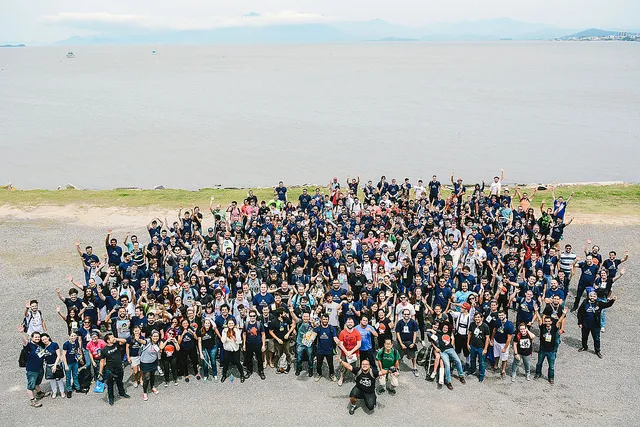
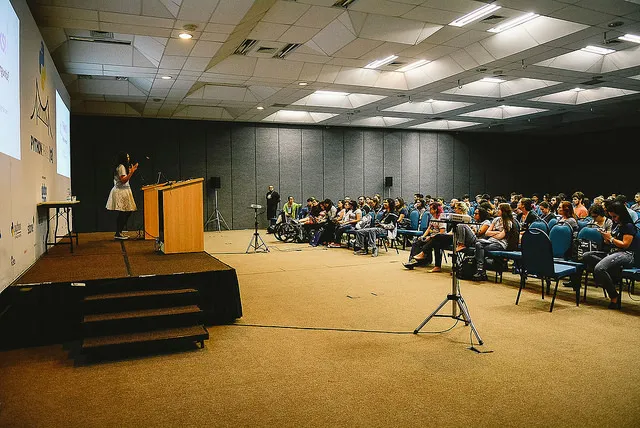
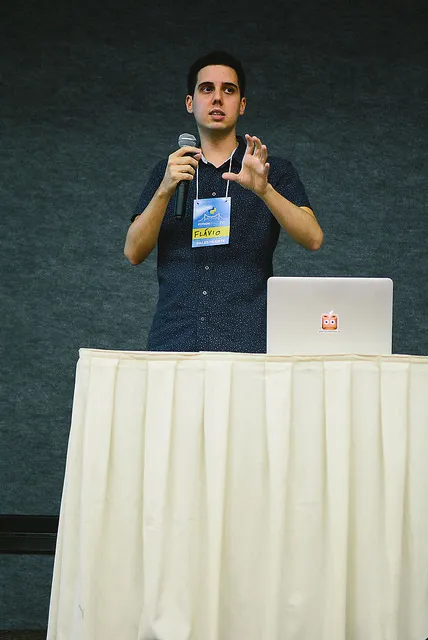
PythonBrasil[12] happened in Florianópolis, SC, and lasted for 6 days. We saw keynotes from speakers such as @SagnewShreds, @hannelita, @NaomiCeder, @freakboy3742 and @seocam, had a lot of community time getting to know people from all around Brazil, and presented 4 talks.


What is this thing called REST?
O que é esse tal de REST?
REST is the hot topic whenever we talk about APIs. Most services we find on the web offer interfaces of this kind so we can build integrations. But can these APIs really be considered RESTful? What does it take for an API to be RESTful? Did you know this standard has existed for more than 15 years? In this talk we dig into the subject and understand the concepts and constraints of a RESTful system, so we can explore its advantages when designing our next web API.
In the talk, we explored a little of the history of how Roy T. Fielding came to define REST in his doctoral thesis, starting at the concept of the memex and going through the invention of HTTP by Tim Berners-Lee. This timeline showed how the web and REST are deeply related, and that the concept of REST is much broader than APIs: the web itself is the best example of a RESTful system. After that, we explored resources, representations and HATEOAS to understand the importance of links, went through the 6 constraints of the REST architectural style, and finally linked all the concepts to show how an API can be RESTful. We concluded that REST has many useful concepts, but some of them are very hard to apply to real-world APIs, so we should not be too picky and should choose what is best for us and our clients. To read further on the subject:
How to build good libraries
Como fazer boas libs?
Writing a library that is comfortable to use is not easy. It is hard to please everyone. It is even hard to please the people who think our library does something useful. It is not easy even when we write something reusable just for ourselves.
Luckily, many other programmers have made mistakes before us, and there are plenty of examples of good libraries, in Python and elsewhere, to draw inspiration from.
This talk sums up what makes a library good, based on our experience and on what other programmers have written on the subject. Some traits of good libraries are:
- High consistency
- Lots of pure data
- Low verbosity
- Respect for the Principle of Least Astonishment
- High extensibility
- Low retention
- Several levels of abstraction
- High granularity
- Clear, separate concerns
- Pythonic
As you can see, some of these are similar to the Zen of Python, so we also show Python features that help you program good interfaces. To sum it all up, we define a checklist you can use whenever you write a reusable module. We hope it helps you program better, which will certainly please your coworkers and the community.
In the talk, we discussed good and bad APIs with real-world examples. For each thing learned, we came up with a practical checklist to follow when building new APIs. That way we have more than abstract ideals like elegance, simplicity and extensibility: we have hands-on advice for anyone who wants to write a great API. For more on the subject, read Designing and Evaluating Reusable Components.
Data structures and collections in Python
Estrutura de dados e collections em Python
As Tim Peters, a Python core developer, said: “We read Knuth so you don’t have to”. Python has high-performance data structures, and knowing how to use them correctly affects the complexity and performance of your code.
In the talk, we discussed Python’s data structures and collections, and common mistakes that can hurt your code’s performance a lot. Knowing which one to use helps you write cleaner and faster code, and from the built-ins to the standard and third-party libraries, Python has you covered. To read more about it:
Defining a customizable boilerplate with Django, React and Bootstrap
Definindo um Boilerplate Customizável usando Django, React e Bootstrap
For beginners and experienced developers alike, setting up a project’s initial environment can take a lot of time. A common way to solve this is to use a boilerplate, which both cuts the setup time and keeps projects consistent. Most available solutions, however, cover only part of the problem (frontend or backend), and integrations are always needed. So why not define your own full-stack boilerplate?
This talk presents how we built a full-stack, flexible and customizable boilerplate for Django, React and Bootstrap with npm and webpack: the design decisions, the configuration and customization options, and the positive impact of using it.
In the talk, we explained the concept of boilerplates and presented some well-known solutions, such as HTML5 Boilerplate and PyDanny’s Cookiecutter Django. Then we showed the advantages of using a boilerplate, such as a faster setup and compliance with strict guidelines, and shared our experience developing Vinta’s Boilerplate: the process we followed, what we learned and how it benefited the company and its clients. We covered the whole process, from the requirements and the chosen stack (interactive UI with React, easy deployments with Heroku and continuous integration with CircleCI) to the template’s architecture. We showed how Django, Webpack, React and Bootstrap 4 simplify building a customizable boilerplate, and finished by demonstrating how easy it is to set up and deploy.
Frequently asked questions
Which talks has Vinta given at Python Brasil?
Vinta’s engineers spoke at ten Python Brasil editions between 2016 and 2026, on REST, libraries, linters, multi-tenancy, testing, performance, SRE, AI assistants in Django and encryption at rest, among other topics. Lais Varejão gave a keynote in 2019 and Gabriela Cavalcante in 2021. Each edition’s section lists its talks, from 2026 back to 2016.
Does Vinta speak at Python Nordeste?
Yes. Our team spoke at nine Python Nordeste editions, from São Luís in 2017 to Fortaleza in 2026, and Gustavo Carvalho gave a keynote in 2024. In 2019, in Recife, Vinta also had a booth at the event.
Are the talks in Portuguese?
Yes. Every talk on this page was given in Portuguese, and most slides are in Portuguese too. The titles here are in English, and each talk shows its original Portuguese title under the English one.
Where can I watch Python Brasil talks?
Python Brasil publishes its recordings on its YouTube channel, and the Python Brasil talks repository lists the talks of past editions. The talks on this page link to their recording wherever one is public.
What was PythonXP?
PythonXP was the online Python and Django conference Vinta organized in June 2020, when the pandemic had cancelled in-person events. It had nine talks by guest speakers, and attendees raised R$ 2,645 for PE Solidário, which Vinta doubled to R$ 5,290. Its talks and slides are under PythonXP 2020.
What is FrontJS?
FrontJS is a meetup on front-end development with JavaScript: React, Angular, Vue and the tools around them. Vinta hosted four online editions in 2020, and every talk was recorded; the videos are under FrontJS #8 to FrontJS #5.
Did Vinta organize Python Brasil?
Vinta’s founders organized the tenth Python Brasil, in 2014. Since then the team has taken part as speakers and, in some editions, as a sponsor, as in 2022.
Who can help my team with Python and Django?
Vinta’s engineers build Python and Django products for clients and share what they learn in talks like these. To work with them, see our Django development services.
References
- Python Brasil 2016, the event’s site
- Python Brasil talks repository, Python Brasil
- Python Brasil on YouTube, Python Brasil
- Python Brasil 2024, 2025 and 2026 schedules, talks.python.org.br
- Python Nordeste 2023, 2024 and 2025, the events’ sites
- Python Nordeste 2026 schedule, talks.python.org.br
- Python Cerrado 2024 schedule, talks.python.org.br
- PyLadies Brasil Conf 2025 schedule, PyLadies Brasil
- Python Sul 2026, the event’s site
- Python Sul 2025 site’s repository, Python Sul
- Python Nordeste 2020/2021 site’s repository, Python Nordeste
- The 20th GruPy-RN meetup, GruPy-RN
Related articles
Article · 5 min read
Nurturing communities and events: Vinta’s approach to engagement
Ten years of open source, conferences and workshops, and what community gives back.
5 min read
Article · 6 min read
How to organize a Django Girls workshop: lessons from Recife
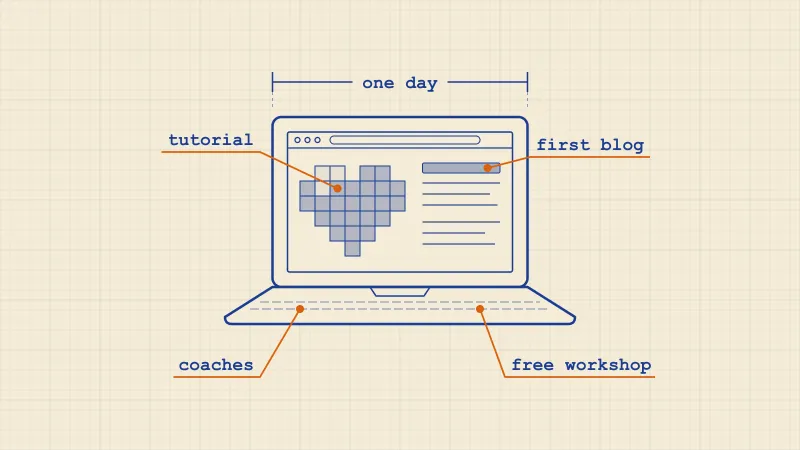
How we ran Django Girls Recife with the free toolkit Django Girls gives every organizer, from the manual to the tutorial.
6 min read